Born the year the town became a city: Ume no Yu and Takasagoyu
The town of Tachikawa became a city in 1940. The city’s chronology records that Tachikawa Town adopted city status that year.
And an introductory article on Tachikawa Yuyashiki Ume no Yu says the bathhouse was founded in 1940.
Tachikawa City and Ume no Yu are the same age.
There may have been one more bath born that year: Takasagoyu, which closed in 2023. On the sauna-records website, someone who visited just before it closed left a post. According to it, a picture hung above the entrance recorded 50 years in the first building, from its founding in 1940 until 1990, and then 32 years from 1991 as a new style of bathhouse called a “Comica Buro.” I’d like to take this as a memory rather than a record, but if it is true, two baths began heating water in the same year Tachikawa became a city.
The newly made city of Tachikawa was a military city. It had an army airfield and an aircraft factory, and people were pouring in. Where people gather, baths are needed. That the city’s founding and the birth of its sento fell in the same year may be less a coincidence than a reflection of Tachikawa’s momentum at the time. (For the military-city era, see this series’ history of Tachikawa Air Base.)
Ume no Yu has become the most conspicuous sento in Tachikawa. According to the association’s map, it is a big two-storey building with 10,000 manga volumes in its rest room. It has jet baths, a “vibra” bubble bath, an electric bath, a cold plunge, an open-air bath, a ceramic pot bath and even ganbanyoku (a hot-stone bed you lie on). The men’s and women’s bathrooms swap every week. There is a good range of towels for rent, so you can come empty-handed. “Sento runners” (joggers who use a bathhouse as their base) are welcome, and bags can be left for a while. It is open from 3 p.m. to midnight, with no closing days except the first three days of the New Year.
In 2015 the association’s web magazine introduced this bath in manga form: a Tachikawa sento found by searching for “manga” and “sento,” which, one step inside, turned out to be a “super-maniac” bathhouse lined with 10,000 manga volumes and a collection of figures. Another introductory article puts the manga at more than 12,000 volumes. Depending on who’s counting, a difference of 2,000 books. Either way, it is not an amount you can finish in one post-bath sit-down.
The bath born the same year as the city survived by becoming a temple of manga. Takasagoyu, meanwhile, closed. Several people have left accounts of its final month.
One person, remembering Tachikawa as the town they came to shopping as a child with their mother and passed through every day on the way to high school, visited the bath before it closed. Of all the stations on the Chuo Line, they wrote, Tachikawa is the one where the world outside the station has changed the most, and this was a bath that had walked alongside that town’s history. Regulars arrived one after another, they wrote, offering words of thanks to the owners, a married couple. Another person described the owner: when a voice from the changing room called “Carbonated spring, please!”, he would answer “Coming!” and carry it over.
A bathhouse was not selling only hot water. It was selling the greetings between regulars who didn’t know each other’s names, and the owner’s “Coming!” That, probably, is not included in the controlled price of 600 yen.
The stories of Ume no Yu and Takasagoyu belonged to the north and south of the station. Tachikawa has one more neighbourhood where two baths stand side by side, near a small station on the Nambu Line.
初日の汗は、予約した人だけが持ち帰れる。
Two baths in Hagoromocho: firewood-heated Mihoyu and reborn Matsumiyu
Get off at Nishi-Kunitachi Station on the JR Nambu Line and there are two sento in Hagoromocho. According to the association’s map, Matsumiyu is 3 minutes’ walk from the station and Mihoyu 5 minutes. Two of Tachikawa’s three sento are gathered near this small station.

Photo: LERK / CC BY-SA 4.0 / Wikimedia Commons
Mihoyu’s description is short. The water is heated with firewood. There is a herbal bath. There is a car park. In the facilities column, the word “firewood” and the icons for “paint mural” and “sitting bath.” A bath still keeping the ways of the Showa sento. However, the association’s map currently lists it as “temporarily closed.” Before visiting, be sure to check the latest information.
A sento in 2026 Tokyo that still heats its water with firewood. That alone moves me a little. I’ll wait for the day its curtain goes up again.
Matsumiyu chose an entirely different path. According to the association’s map, it reopened after renovation on 5 April 2022. A “silky bath” whose fine bubbles are said to clean deep into the pores, a jet bath, a “vibra” bath, an electric bath, a cold plunge and an open-air bath. The electric bath, it says, cycles through four different rhythms. The sauna is in the men’s side only.
In a manga introduction the association’s web magazine ran in 2022, the place is gleaming throughout, with a spacious bathroom and a cold plunge set to 14°C. The visitor goes back and forth between the open-air bath and the cold plunge, enjoying alternating hot and cold bathing and sitting out in the open air. The same piece traces a route: looking at the public art scattered north of Tachikawa Station, riding the Tama Monorail, stopping at a stand selling local vegetables, and then walking to Matsumiyu. Walk Tachikawa all day, and sink into a bath at the end. The sento manga got there first with exactly the kind of walk this series wants to recommend. (For that art, see this series’ guide to Faret Tachikawa.)
An electric bath with four rhythms: I can’t stop thinking about it. You sit in the tub and the current beats time on you. A far more modest rhythm than the bass in Tachikawa’s live houses, but the body, apparently, responds honestly.
The firewood bath and the bubble bath. One keeps the ways of the Showa era; the other has been reborn with Reiwa-era (2019– ) facilities. In the same neighbourhood, a few minutes’ walk apart, two ways of life for a sento stand side by side.
The bathhouse owner who became mayor
If I’m going to write about Tachikawa’s baths, there is one person I have to mention.
According to the career summary in the encyclopedia, Shohei Shimizu, mayor of Tachikawa for four terms from 2007, was born in 1945 in Sunagawa Village, today’s Nishisunacho. After working at a credit union, he left in January 1972 to run the family business, a public bathhouse. He was first elected to the city assembly in 1982, served as the city’s chief treasurer, and then became mayor.
The master of a bathhouse became the master of a city. From the attendant’s booth to city hall. There can’t be many mayors in all of Japan with a career like that.
The same career summary records that, as mayor, he scrapped the smoking area in front of the station. Smoke billowing up like a bonfire, he is said to have remarked, is not fitting for this town. Perhaps a man who knows steam is fussy about kinds of smoke. That is purely my own fancy.
Sento etiquette: what to know before you get into a Tachikawa bath
For anyone not used to sento, here are the manners. The most reliable guide is the Tokyo Sento Association’s own “How to use a sento.”
First, what to bring. Just pack the things you use at home: towel, soap, shampoo and so on. Even if you bring nothing, most sento sell small bars of soap, small bottles of shampoo and towels. Some, like Ume no Yu and Matsumiyu, provide shampoo and body soap.
At the entrance, take off your shoes, put them in a shoe locker and pull out the wooden tag that serves as its key. Pay at the attendant’s booth or front desk and go into the changing room. Lock your locker and wear the key on your wrist. The association goes out of its way to say that people sometimes head into the bathroom without taking off their underwear, and that this is not OK. It’s written down specially, so apparently it happens.
When you enter the bathroom, first pour hot water over yourself. Rinsing yourself clean before getting into the tub is how a sento visit begins. It also helps your body get used to the heat. Don’t let long hair touch the water. Don’t put your towel in the tub.
There is etiquette for when the water is too hot, too. Sento water tends to be hotter than a home bath, a tradition going back to Edo days. If you really can’t bear it, ask the others in the bath first, then cool it with cold water. Turning on the cold tap without a word is a recipe for trouble. As a guide, the association suggests 5 to 10 minutes in a hot bath and about 20 minutes in a lukewarm one, warming up until your forehead starts to sweat.
When you get out, dry yourself well with your towel before returning to the changing room. Dry the soles of your feet too. If the floor were wet, you wouldn’t like it either, would you? says the association’s guide, relaxing its tone just a touch. Be sure to drink water before and after bathing.
For people with children, there is one important rule. Tokyo revised its ordinance so that, from 1 January 2022, children aged 7 and over can no longer bathe on the side of the opposite sex. Until then the age had been 10.
On sento curtains and signs you may notice a symbol made from the hiragana character ゆ (yu, “hot water”). According to the association, this is the sento’s symbol mark, decided at a meeting of bathhouse associations from across Japan in May 1988. Called the “fureai mark” (the “togetherness mark”), it represents contact between parent and child and between people. Look out for it at the entrance to Tachikawa’s baths.
The association’s website also quotes the poet Ryuichi Tamura: when the sento declines, so does human warmth. Who will teach the basic rules, like how to wring out a towel or the order in which to wash? In an age when homes have baths, the sento is a place to soak in hot water and, at the same time, a place to learn the manners of sharing the same water with strangers.
A short guide for first-time visitors from abroad
If you have never been to a Japanese public bath, the rules above can look like a lot. They boil down to a few simple courtesies, and regulars will appreciate it if you follow them.
- Men’s and women’s sides. The entrance splits into two. Look for the characters 男 (men) and 女 (women) on the curtains or doors. At Ume no Yu the two sides swap every week, so check the sign each visit rather than going by memory.
- Bathing is naked. No swimsuits, and no underwear (see above). Everyone is in the same state, and nobody is looking.
- Wash first, soak second. Sit on a stool at the taps and wash and rinse thoroughly before you get into any tub. The tub is for soaking, not for washing.
- Keep the water clean. Your small towel stays out of the water: on your head or on the edge of the tub. Tie up long hair. No soap in the tub, and no swimming or diving.
- Keep it calm. Talk quietly, don’t splash, and give people space.
- No photos. Never use a camera or phone in the changing room or the bathroom.
- Tattoos. Rules on tattoos differ from bathhouse to bathhouse and can change. If you have tattoos, check with each sento before you go, or ask at the front desk when you arrive. Please respect the answer you are given.
- If you’re unsure, ask. Staff at the front desk can show you the way, and gestures go a long way.
A town where the steam still rises: why the baths survived in Tachikawa
Let me return to the question I started with. Why have more baths survived in Tachikawa than in other Tama cities?
There is no definitive answer in the records. The metropolitan tables give only the numbers, not the reasons. So what follows is my own half-answer, worked out on foot.
Each of Tachikawa’s baths has survived in its own way. Ume no Yu, with 10,000 manga and a big two-storey bath, welcomed young customers arriving empty-handed and even people out for a run. Matsumiyu was reborn, building and all, and answered the age of the cold plunge and the open-air cool-down. Mihoyu kept its firewood burning. And one more bath, the same age as the city, lowered its curtain for the last time with its regulars seeing it off.
North of the station, south of the station, and beside a small station on the Nambu Line. Three baths, three different answers. It’s easy to say the baths survived because Tachikawa is a place where people gather. But really, they probably survived because the bathhouse owners kept coming up with answers of their own. As for the other half of the answer, think about it while you soak.
Back then, the people of Tachikawa went to the bathhouse because they had no bath at home. Now, the people of Tachikawa make a point of going to the bathhouse even though they have one. The price has gone up a hundredfold. Still, people duck under the curtain. Because they know that what 600 yen buys is not only hot water.
Quiz answer
The answer is 2: hair washing. According to the Tokyo Sento Association’s table, in 1948 washing your hair cost 6 yen, on top of the 6-yen adult bath fee. It later became 10 yen, then 5 yen from 1965, and from 1 May 1970 it was no longer charged. The fee did not, apparently, depend on how long your hair was.
Before you go
- Tachikawa Yuyashiki Ume no Yu: 3-13-2 Takamatsucho, Tachikawa. 7 minutes’ walk from JR Tachikawa Station. According to the association’s map, open 15:00–24:00, every day except the first three days of the New Year.
- Matsumiyu: 1-8-12 Hagoromocho, Tachikawa. 3 minutes’ walk from Nishi-Kunitachi Station on the JR Nambu Line. According to the association’s map, open 15:00–23:00, closed on the 2nd, 12th and 22nd of each month.
- Mihoyu: 1-2-18 Hagoromocho, Tachikawa. 5 minutes’ walk from Nishi-Kunitachi Station. Listed as “temporarily closed” on the association’s map; check the map for news of reopening.
- Latest opening days, hours and facilities: Tokyo Sento Association map (Japanese): https://www.1010.or.jp/map/archives/area/%E7%AB%8B%E5%B7%9D%E5%B8%82
- Bath prices: From 1 August 2026, the bath fee at Tokyo sento is 600 yen for adults (12 and over), 200 yen for elementary school children and 100 yen for pre-school children, according to the association. For the latest, see: https://www.1010.or.jp/guide/%e5%85%a5%e6%b5%b4%e6%96%99%e9%87%91%e3%81%ae%e3%81%8a%e7%9f%a5%e3%82%89%e3%81%9b/ Saunas and the like may cost extra.
- How to use a sento (association guide, Japanese): https://www.1010.or.jp/guide/howto/
- Getting there: From Shinjuku, Tachikawa is in the thirty-minute range on the JR Chuo Line Rapid service. From Kanagawa, the JR Nambu Line runs from Kawasaki with no change of trains in about an hour; coming that way, Nishi-Kunitachi is the stop just before Tachikawa.
- Practical tips: Carry an IC transport card such as Suica or PASMO; it works on JR and the monorail. Bring some cash and a small towel, and drink water before and after your bath.
- Combine it with: The two Nishi-Kunitachi baths are one stop from Tachikawa on the Nambu Line. Save Ume no Yu for after looking at the public art of Faret Tachikawa by the North Exit, or a walk in Showa Kinen Park. By the time you leave the bath, it will feel all the more welcome for every step you walked.
After the bath, the North Exit of Tachikawa Station
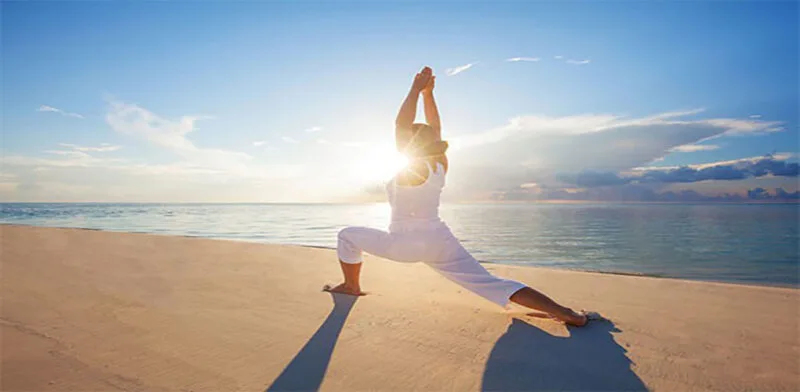
A body fresh from the bath moves better than you expect. Warm muscles stretch far more willingly than on a cold day.
One minute’s walk from the North Exit of JR Tachikawa Station, on the third floor of the Etoile Building at 2-14-10 Akebonocho, Tachikawa, Tokyo, is On the Shore Tachikawa (オンザショア立川店), a hot yoga studio heated by lava-stone plates. It also offers room-temperature yoga, Pilates, women-only kickboxercise, boxercise, HIIT and personal training, with more than 25 kinds of yoga lesson.
It is open every day from 8:00 to 23:30. While most sento open in the afternoon, the studio is open from the morning, so you can build a day of yoga in the morning and the bath in the afternoon.
A trial yoga lesson costs ¥1,980 including tax, with two bath towels, one face towel and a yoga mat included in the rental. Just like a sento, you can drop in empty-handed.
Pregnant guests cannot take part in lava-stone hot yoga, but room-temperature maternity yoga is available. Many of our yoga instructors speak English, and the studio’s owner, Naomi Fujita, often helps guests from the US bases in English herself. She holds Eiken Grade 1, Japan’s top English qualification, and a perfect TOEIC score, once worked as a translator and overseas interpreter at Nomura Securities, and lived in Alaska for three years; visitors from abroad have praised the English support in Google reviews. Not every lesson is in English, so if you would like an English-friendly lesson, just mention it when you book.
- On the Shore: https://ontheshore.jp/
- Trial lesson booking: https://site.locaop.jp/C0aVK?_src=hp
In a town of rising steam, on a third floor by the station, work up a different kind of sweat. The face reflected in the train window on the way home should be just a little more relaxed than when you arrived.
Cover photo: The yellow Kerorin bath pail familiar from sento, which spread around 1965 with a painkiller advert inside. (Photo: Miya.m / CC BY-SA 3.0 / Wikimedia Commons)
Information as of October 2026.
More Tachikawa Walks
- Tachikawa Air Raids: WWII History and a Memorial Walk Guide
- Tachikawa Autumn Leaves Guide: Ginkgo, Zelkova and Where to Walk
- Tachikawa Base Town History: Cola Bottles, Yuming, the Laundry Gate
- Tachikawa Air Base History Walk: The Sunagawa Struggle and After
- Tachikawa Disaster Base and Life Safety Learning Center: A Guide
- Tachikawa Bridges Walk: ‘Nameless Bridge’ to a Double-Deck Crossing
- Tachikawa Cinema City Guide: Tokyo’s First Multiplex and Its Big Sound
- Tachikawa Museums Guide: Art, 2,558 Instruments and Things to Do
- Tachikawa Cycling Guide: Showa Kinen Park’s 14 km and the Tama River
- Tachikawa Festivals Guide: Bon Dances, Flamenco, Nebuta and Yokai
- Tachikawa History Walk: Famous People, from Seiji Ozawa to a Comet
- Tachikawa History Walk: Famous People Who Passed Through the Town
- Tachikawa Public Art Walk: A Guide to the 109 Works of Faret Tachikawa
- Tachikawa Farms Guide: Farm Stands, Harvest Days and Tokyo’s Fields
- Tachikawa History: Japan’s Firsts, from Electric Cars to Sazae-san
- Tachikawa Folktales and Legends: A History Walk Through Old Stories
- Tachikawa Walk: Fusai-ji Temple’s National Treasure and Suwa Shrine
- Tachikawa Business Guide: Where West Tokyo Works and Starts Up
- Tachikawa Culture Guide: Ballet, Ice, Anime and Art Near the Station
- Tachikawa’s Green Future: Zero Carbon, Farmland and Springs Guide
- Tachikawa for Foreign Visitors: Haneda Bus, Things to Do, Future
- Tachikawa Population and Family Life: A Guide to the Town’s Future
- Tama Monorail Extension: When It Opens and Tachikawa’s Future Guide
- Tachikawa and Tokyo’s Next Big Earthquake: Disaster Base Guide
- Showa Kinen Park Guide: The Future of Tachikawa’s Unfinished Park
- Tachikawa Station Redevelopment: A Guide to the Future Station Area
- Tachikawa’s Next Decade: Tachihi, GREEN SPRINGS and a New Hotel Guide
- Tachikawa GREEN SPRINGS Guide: Goats, a Rooftop River, Things to Do
- Tachikawa Travel Guide: Things to Do, Walks and History West of Tokyo
- Tachikawa Walk: Slopes, River Terraces and a Flat City’s Hidden Tilt
- Tachikawa History Walk: How a Mulberry Village Became Tama’s Hub
- Tachikawa Airfield History: The 2:12 a.m. Flight to London, 1937
- Tachikawa Was Once in Kanagawa: A History Walk to the 1893 Transfer
- Tachikawa Keirin Velodrome: History, Guide and the Grand Prix’s Home
- Tachikawa Childhood History: Candy Shops, a Base Christmas, Showa Kids
- Tachikawa Aviation Shrine History: The First ‘Tokyo Airfield’ Walk
- Showa Kinen Park Guide: Komorebi Village, Japanese Garden and Bonsai
- Tachikawa Libraries Guide: Raccoon Dogs, Lucky Cats, Local History
- Tachikawa Live Music Guide: Basement Venues and Where TM Meant Tama
- Tachikawa Manga Park Guide: 40,000 Manga in a Former City Hall
- Tachikawa Fireworks Festival Guide: History, Tips and Things to Do
- Akishima Day Trip from Tachikawa: Whale Fossil, Wisteria and History
- Fussa Day Trip from Tachikawa: Yokota Air Base History, Route 16 Walk
- Fussa Sake Brewery Walk: Day Trip from Tachikawa, Water and History
- Hachioji Castle Ruins from Tachikawa: History Walk and Silk Town Guide
- Mount Takao Day Trip from Tachikawa: Hiking Guide, History and Forest
- Hino Day Trip from Tachikawa: Shinsengumi History Walk and Guide
- Kokubunji Walk from Tachikawa: Otaka-no-Michi Springs and History
- Kunitachi Walk from Tachikawa: Daigaku-dori, History and Yaho Tenmangu
- Mount Mitake Day Trip from Tachikawa: Wolf Shrine, Valley Walk Guide
- Ome Day Trip from Tachikawa: Showa Retro Walk, Things to Do, History
- Tachikawa Walk: Nekawa Green Path to the Tama River, a Riverside Guide
- Tachikawa Cat-Return Shrine Guide: History, Ema and Suitengu
- Tachikawa Night Views and Mount Fuji at Dawn: A Walking Guide
- Tachikawa at Night: Bar Alleys, Black Markets and Cinema History Walk
- Tachikawa Ramen and Udon Guide: Ramen Square and Noodle History
- Tachikawa vs. Central Tokyo: Why the West Side Wins on Space and Sky
- Tachikawa Old Villages Walk: History Guide, Shibasaki to Nishisuna
- Tachikawa Oni Park Guide: A Red Demon Slide and Trains for Kids
- Tachikawa Parks Guide: Things to Do Beyond Showa Kinen Park, a Walk
- Tachikawa Place Names: A History Walk Through Its Town-Name Origins
- Tachikawa Antarctic and Arctic Science Museum: Free Guide and History
- Tachikawa on a Rainy Day: Indoor Things to Do, a Local Guide
- Tachikawa History Museum Guide: Local History and Folklore, Free
- Tachikawa Cherry Blossoms Guide: Where to See Sakura, and the History
- Tachikawa Schools Walk: History of Night Classes, Bells, Antarctica
- Tachikawa Filming Locations Guide: Anime Pilgrimage and TV Dramas
- Tachikawa Silk History Walk: Japan’s No.1 Mulberry Village, Sunagawa
- Tachikawa Shopping Guide: Why It Has Everything, a History Walk
- Showa Kinen Park, Tachikawa: A Walking Guide to Highlights and History
- Tachikawa and San Bernardino: The History of Tokyo’s First Sister City
- Tachikawa Souvenirs Guide: What to Buy, from Tokyo Sake to Paper
- Tachikawa Sports Guide: Things to Do for Fans, Runners and Walkers
- Tachikawa Station Guide: The History Walk of Tama’s Busiest Station
- Tachikawa in Summer: Things to Do, Water Play and Heat Tips Guide
- Tachikawa Sun Sun Road Walk: History, Festival and Winter Lights
- Tachikawa Tachihi History Walk: Aircraft, a Beach and Things to Do
- Tachikawa History: The Samurai Clan Behind the City’s Name, a Walk
- Tama Monorail from Tachikawa: A Guide to Views, Mt. Fuji and History
- Tachikawa Tama River History Walk: Floods, Ferries and Bridges
- Tachikawa Walk: Tamagawa Aqueduct and Sunagawa History Guide
- Tachikawa Udo Guide: History of Tokyo’s Underground White Vegetable
- Tachikawa Trains Guide: Railway History and Where to Watch Trains
- Tachikawa Water History: Where the Tap Water Comes From, and Wells
- Tachikawa History: Why Tokyo’s First IKEA and Cinema Complex Came Here
- Tachikawa Wildlife Guide: Birdwatching, Fireflies and Tanuki Walks
- Tachikawa Yagawa Green Space Walk: Springs, Hake Cliffs and History
- Tachikawa from Yokota Air Base: A Weekend Guide and Things to Do
初日の汗は、予約した人だけが持ち帰れる。
2