Tatsuo Miyajima’s “Luna” Is Counting Time
Tatsuo Miyajima’s “Luna,” according to the official site, is a ventilation tower. It has two pairs of faces made of light-emitting diodes and plastic, the larger ones about 3.6 metres square. On them are 144 numeral displays, each counting repeatedly from 1 to 9. They count at different speeds: some advance every tenth of a second, others only once an hour.
Miyajima was born in Tokyo in 1957 and has made works with LEDs since 1987. In 1999 he represented Japan at the Venice Biennale.
A numeral that advances only once an hour. Even standing in front of it, you cannot know whether you will be there for the moment it moves. I am not patient enough to wait for it. As I follow the fast numerals with my eyes, the slow one next to them suddenly looks heavy. All the while, the tower silently breathes out the air from underground. However, the 2019 Bijutsu Techo article reported that the work’s lights were not on, so it could not be seen as it was meant to be. Whether the numerals are lit now is something to check on the official site or with a guide before you go.
The Wanderer’s Quiz
Of the numerals counted by the 144 displays of “Luna,” which one never appears?
- A: 0
- B: 5
- C: 9
The answer is near the end of this article.
There are other works that deal with time. Tatsuo Kawaguchi’s works take the form of tsukebumi, the old custom of a letter tied to a branch. Their titles: “Relation – Future 2132,” “Relation – Future 2155,” “Relation – Future 2157.” They are addressed to years in which none of us will be alive. The replies, naturally, have not yet arrived. According to the same Bijutsu Techo article, the work was originally three iron rings hung on three trees, but by 2019 only the smallest, the ring for 2132, remained. Of the letters to the future, two vanished before reaching it.
There are works that act like guardian deities of the town. Esther Albardané’s “Women of Tachikawa” is listed as dosojin, and several of them stand around the district. Georgi Chapkanov’s “Animals of Tachikawa” are also dosojin: a horse, a sheep and a dog. Dosojin are the roadside guardian deities of Japanese villages, set at village boundaries and crossroads to block what comes from outside and to protect travellers. At the crossroads of a new town born on base land stand dosojin made by artists from Spain and Bulgaria.
There are works at your feet and over your head. Hirotoshi Sakaguchi’s “Barcode Bridge” is the walking surface of the pedestrian deck itself. Felice Varini’s “Circle on the Roof” is the sign of a rooftop penthouse, and the same artist’s “Back-to-Back Circles” is a sign on the deck. As a result, anyone hunting for works keeps looking up and looking down, constantly turning their head. From outside, they look like a lost tourist. In my case I sometimes really am lost, so there’s no telling the difference.
That is enough about the works. Faced with 109 of them, what a traveller most wants to know is, in the end, where to start.
初日の汗は、予約した人だけが持ち帰れる。
How to Walk Faret Tachikawa: Four Zones, and Where to Begin
First, get the map. According to the official site, the Faret Tachikawa Art Map is a set of four sheets, colour-coding the district into four zones, with the locations of works on the front and photos and descriptions of that zone’s works on the back. All 109 works are on it, and it is free. You can also download it as a PDF from the official site. The list of places it is available includes the second-floor reception counter of Tachikawa Takashimaya S.C., the first-floor reception of the Tachikawa Women’s Center I’m, the Tachikawa City Tourist Information Corner on the first floor of Tachikawa TACROS, the GREEN SPRINGS information centre, and the Tokyo Tourist Information Center Tama on the third floor of ecute Tachikawa.
Why do you need a map? The works of Faret Tachikawa generally have no labels. According to the 2019 Bijutsu Techo article, only exceptional works have captions. Walk around knowing nothing and the works remain vents and bollards. According to material from the Tachikawa City Library, there is also a free smartphone app, “Faret Tachikawa Art Navi,” which automatically shows commentary when you approach a work. It turns a museum without labels into a museum with a guide.
Spread out the map and the colour coding makes sense. The south-west, nearest JR Tachikawa Station, is red; north of it, the north-west is green; further east, the north-east is orange; and the south-east, also near the station, is blue. The route I would suggest is to walk north from the station and go round clockwise. This is not the official recommendation; it is an order I put together from the map.
Start with the red south-western zone, around Tachikawa Takashimaya, the Tachikawa TM Building and the Palace Hotel Tachikawa building. On the map, Niki de Saint Phalle’s bench, Jean-Pierre Raynaud’s café terrace, Rauschenberg’s bicycle-park neon and Tatsuo Miyajima’s “Luna” are grouped in this zone. You meet one famous artist after another as soon as you set off, so even if you walk only this zone and go home, you will not run out of things to talk about.
Next, cross Hirotoshi Sakaguchi’s “Barcode Bridge” — that is, the walking surface of the pedestrian deck — into the green north-western zone. Around the Sompo Japan building, the Central Library and the Women’s Center are Anish Kapoor’s “Mountain,” Jonathan Borofsky’s “Man with Briefcase” and Chapkanov’s sheep. Donald Judd’s wall sculpture is also in this zone on the map. In front of his last work, I would like to slow down a little.
Then east, to the orange north-eastern zone. Around the Faret East Building and the A-ONE Building are Oldenburg’s “Lipstick” and Chapkanov’s horse. For some works, the map marks the viewing position with an eye symbol. Felice Varini’s “Circle on the Roof” and “Back-to-Back Circles” are among them. I recommend standing on the marked spot and looking up. From anywhere else you cannot tell what is a circle, or how. I write this as one of the people who couldn’t tell.
Finally, heading south, look at the row of bollards along the south side of Core City Tachikawa and at Vito Acconci’s bollards, and enter the blue south-eastern zone. Around the Tachikawa Business Center Building and the Tokyo Tatemono Faret Tachikawa Building are Chapkanov’s dog and another row of bollards. Try not to step on Nobuho Nagasawa’s seven Dragonplanes along Midorikawa-dori — well, you may step on them, but at least look down first — and return to the station.
How long does the whole thing take? The Opening Anniversary Tour that the Faret Club runs every year on 13 October covers all 109 works in about three hours. If you want to see them all, that is your guide. On a tight schedule, the red zone alone will introduce you to famous artists. With time to spare, add one colour at a time.
But how is it that so many works, exposed to rain and exhaust for more than thirty years, are still standing in the town? The answer lies with people holding cleaning cloths.
People Polish Them, and the Works Remain
According to the official site, the citizens’ volunteer group the Faret Club was formed in 1997. It runs art guiding, cleaning and workshops, and has shown more than 20,000 people around. According to Art Front Gallery’s records, the “Faret Tachikawa Pika-Pika (Sparkling) Art Program” began in 2002, continuing the cleaning of works and workshops by the artists. Since 2005, a project to repair and restore the works has been carried out every ten years.
According to the official site, the Faret Club has about 40 members who act as guides. There are several kinds of tour: besides the Opening Anniversary Tour every 13 October, each June on the summer solstice there is a tour centred on works with a device that can only be seen on that day. In summer, night tours and early-evening tours centred on works lit at night are held from time to time, and in March and October there are select tours for Museum Day. Custom tours on request are accepted, they say, even for one person. In front of the station is a work that shows its true form on only one day a year. That gives you one more reason to come to Tachikawa on that day.
In 2008 the Faret Tachikawa Art Appreciation Class began. According to the official site, fifth-graders (and some sixth-graders) from all 19 city elementary schools view about 40 works, guided by the Faret Club. It has continued every year since. In 2016, Tachikawa City, the owners of the buildings that own the works and the Faret Club set up an Art Management Committee. According to the city, the committee works not only on management, restoration and cleaning, but also on photo contests and Museum Days. Museum Day is held twice a year, in spring and autumn.
The documents are gathered in the town too. According to the Tachikawa City Library’s guide to local materials, the Central Library, inside Faret Tachikawa, keeps materials on Faret Tachikawa together as a special collection. It holds copies of “The Artworks of Faret Tachikawa,” a series that ran 91 times in the city newsletter “Koho Tachikawa” from 1995 to 1999, and in the reference room on the third floor there are even files summarising each artist’s career and major works. In the middle of a town of artworks, there is a library of artworks.
At the same time, Tachikawa City reports that works have been damaged and covered in graffiti. On one occasion, they say, a work that had just been repaired was damaged.
Every child at a Tachikawa city elementary school, on reaching fifth grade, is shown the art of this town at least once. The first fifth-graders of 2008 are now nearly thirty. To them, it is perfectly natural that a vent in front of the station is art. I envy them that, a little.
It is time to answer the opening question.
Why the Bollards Had to Be Art
Why couldn’t a bollard just be a post?
Half of the answer that emerged as I followed the documents is this. Fram Kitagawa saw the town as a forest and decided to turn function into fiction. The vents and bollards that nobody ever looks at are the real body that keeps a town running. Put an artist’s hand on them and passers-by become aware of how the town itself is made. Like Acconci’s work, they can also become devices that do their job while questioning it.
But the other half, as I see it, is this. For a long time this was land on the other side of a wire fence. When land you could not enter was handed back, perhaps the first thing people needed was a signal: you may come in, you may sit, you may look up. Benches you can sit on, guardian deities at the crossroads, signs whose viewing position is even drawn on the map.
In a corner of the official Art Map there is a short text by Fram Kitagawa. The artists, it says, made their works by seeking out functions — the walls of vehicle ramps, paving stones, exhaust vents, signs, lights, bollards — the way birds find a place to nest. And it goes on: don’t just look, touch. Each work is whispering desperately, “Be my friend.”
Reading the map’s words, half my guess was confirmed. The 109 works were the result of thinking up 109 different ways to take down a wire fence. Touching, of course, is not the same as damaging. Tachikawa City complains of graffiti and damage because, as a way to treat a friend, it is just too cruel. The other half, everyone can think over for themselves, sitting on Niki’s bench.
At the start I wrote that few people can answer straight away when asked what there is in front of Tachikawa Station. Now I can. 109 works of art by 92 artists from 36 countries and regions are stopping cars, changing the air and giving people a place to sit. There is the last work of the Minimalist master Donald Judd. There is a device that shows itself on only one day a year, the summer solstice. Every year, the fifth-graders of 19 city elementary schools learn about art in this town. And there are citizens who have looked after it all for nearly thirty years. As answers about a station front go, that is more than enough.
When I come back to the deck after a full circuit, my shoulders are stiff from looking up, looking down, and looking up again. I had been using my body in an unaccustomed way.
From Shinjuku, the Chuo Line with no change; from Kawasaki, the end of the Nambu Line. Three minutes from the ticket gates, the works of artists from around the world are waiting, with no admission fee and no closing time. Thanks to citizens who have polished them with cloths in hand for nearly thirty years, Niki’s bench can still be sat on today. Some weekend, come and sit on it without knowing, and go home knowing.
Answer to the Quiz
The answer is A, 0. According to the official site, each of the 144 displays of “Luna” counts repeatedly from 1 to 9, and 0 is never shown. A clock without a zero is changing the air in front of the station.

Before You Go
- Getting to Tachikawa: from central Tokyo, take the JR Chuo Line from Shinjuku to Tachikawa with no change of trains. From Kanagawa, the JR Nambu Line links Kawasaki and Tachikawa (35.5 km) with no change. From the Yokohama area you can also take the Yokohama Line to Hachioji and change to the Chuo Line. Check timetables and journey times on JR East’s official site. An IC card such as Suica or PASMO saves buying a ticket for every ride.
- Location: Faret Tachikawa is linked by pedestrian deck to the North Exit of JR Tachikawa Station and to Tachikawa-Kita Station on the Tama Monorail: three minutes on foot from the JR North Exit, two from Tachikawa-Kita (according to the official Faret Tachikawa Art site). Head north along the North Exit deck and you are soon in the south-western zone.
- Time needed: the Faret Club’s Opening Anniversary Tour covering all 109 works (every 13 October) takes about three hours (official site). For a shorter visit, choose one of the four zones described above.
- Art Map: a set of four sheets covering all 109 works, free of charge, also viewable as a PDF on the official site. Available at the Tachikawa City Tourist Information Corner (Tachikawa TACROS, 1F), Tachikawa Takashimaya S.C. 2F reception counter, Tachikawa Women’s Center I’m 1F reception, the GREEN SPRINGS information centre, Tokyo Tourist Information Center Tama (ecute Tachikawa, 3F) and elsewhere (according to the official list of locations; check the official site for the latest).
- Guides: most works have no explanatory label. The free app “Faret Tachikawa Art Navi” shows commentary when you approach a work (according to Tachikawa City Library material).
- Guided tours: the Opening Anniversary Tour on 13 October, the summer solstice tour in June, summer night tours, Museum Day tours in March and October, and custom tours that can be booked even for one person. Apply through the Faret Club’s official site. Check dates and how to apply at https://www.faretart.jp/art-tour/program/ . If you need English, ask when you apply.
- To dig deeper: the special collection at Tachikawa Central Library (inside Faret Tachikawa), including files on each artist.
- Combine with: GREEN SPRINGS, about eight minutes on foot from the North Exit; the Tama Monorail from Tachikawa-Kita; and Showa Kinen Park, whose Akebono Gate is about ten minutes from the North Exit. Read this feature’s articles on Showa Kinen Park and the Tama Monorail together, and a day on the old base land joins up.
- Official Faret Tachikawa Art site: https://www.faretart.jp/ (check the official site for the latest commentaries, Art Map and tour schedule)
- Art Map: https://www.faretart.jp/art-tour/art-map/
- List of works: https://www.faretart.jp/art/ / Tachikawa City’s list: https://www.city.tachikawa.lg.jp/kanko/bunka/1003079/1003104/1003121.html
- Manners: the works are outdoors and free to see. Tachikawa City asks visitors not to scratch them or cover them with graffiti. Many works stand on the grounds of private buildings; be considerate of the people who work there.
After the Art, at Tachikawa Station North Exit
Touring the works of Faret Tachikawa uses your neck and shoulders more than you would think, because you keep looking up and down and going back and forth between buildings. If you want to loosen up afterwards, On the Shore Tachikawa (オンザショア立川店) is one minute on foot from the North Exit of JR Tachikawa Station, on the third floor of the Etoile Building, 2-14-10 Akebonocho, Tachikawa, Tokyo.
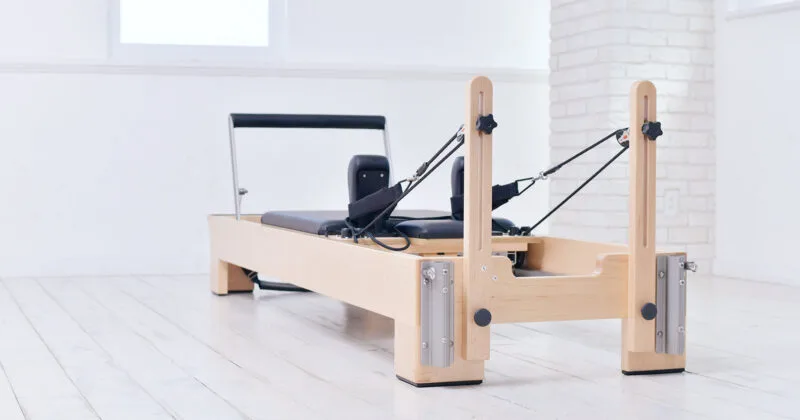
It is a lava-stone hot yoga studio, where you practise yoga on heated lava-stone floors. It also offers room-temperature yoga, Pilates, women-only kickboxercise, boxercise, HIIT and personal training, with more than 25 kinds of yoga lessons.
It is open every day from 8:00 to 23:30. You can walk the works in the morning and go straight into a lesson, or drop in at night after looking at the works that light up.
For first-timers there is a trial yoga lesson for ¥1,980 including tax, with two bath towels, one face towel and a mat to rent included. Pregnant guests cannot join lava-stone hot yoga, but room-temperature maternity yoga is available. Many of our yoga instructors speak English, and the studio’s owner, Naomi Fujita, who holds Japan’s top English qualification (Eiken Grade 1) and a perfect TOEIC score and once worked as a translator and overseas interpreter at Nomura Securities, and who lived in Alaska for three years, often helps guests from the US bases in English herself (visitors from abroad have even left Google reviews about the care they received in English); if you would like an English-friendly lesson, just say so when you book.
- On the Shore: https://ontheshore.jp/
- Book a trial lesson: https://site.locaop.jp/C0aVK?_src=hp
Beneath the deck on the way back to the station, the 144 numerals are still keeping time, each at its own speed, never once counting zero.
Cover photo: Faret Tachikawa’s walkway seen from above, the monorail crossing beyond a big red flowerpot (Photo: RuinDig/Yuki Uchida / CC BY 4.0 / Wikimedia Commons)
Information as of October 2026.
More Tachikawa Walks
- Tachikawa Air Raids: WWII History and a Memorial Walk Guide
- Tachikawa Autumn Leaves Guide: Ginkgo, Zelkova and Where to Walk
- Tachikawa Base Town History: Cola Bottles, Yuming, the Laundry Gate
- Tachikawa Air Base History Walk: The Sunagawa Struggle and After
- Tachikawa Sento Guide: Public Baths, Their History and Bath Etiquette
- Tachikawa Disaster Base and Life Safety Learning Center: A Guide
- Tachikawa Bridges Walk: ‘Nameless Bridge’ to a Double-Deck Crossing
- Tachikawa Cinema City Guide: Tokyo’s First Multiplex and Its Big Sound
- Tachikawa Museums Guide: Art, 2,558 Instruments and Things to Do
- Tachikawa Cycling Guide: Showa Kinen Park’s 14 km and the Tama River
- Tachikawa Festivals Guide: Bon Dances, Flamenco, Nebuta and Yokai
- Tachikawa History Walk: Famous People, from Seiji Ozawa to a Comet
- Tachikawa History Walk: Famous People Who Passed Through the Town
- Tachikawa Farms Guide: Farm Stands, Harvest Days and Tokyo’s Fields
- Tachikawa History: Japan’s Firsts, from Electric Cars to Sazae-san
- Tachikawa Folktales and Legends: A History Walk Through Old Stories
- Tachikawa Walk: Fusai-ji Temple’s National Treasure and Suwa Shrine
- Tachikawa Business Guide: Where West Tokyo Works and Starts Up
- Tachikawa Culture Guide: Ballet, Ice, Anime and Art Near the Station
- Tachikawa’s Green Future: Zero Carbon, Farmland and Springs Guide
- Tachikawa for Foreign Visitors: Haneda Bus, Things to Do, Future
- Tachikawa Population and Family Life: A Guide to the Town’s Future
- Tama Monorail Extension: When It Opens and Tachikawa’s Future Guide
- Tachikawa and Tokyo’s Next Big Earthquake: Disaster Base Guide
- Showa Kinen Park Guide: The Future of Tachikawa’s Unfinished Park
- Tachikawa Station Redevelopment: A Guide to the Future Station Area
- Tachikawa’s Next Decade: Tachihi, GREEN SPRINGS and a New Hotel Guide
- Tachikawa GREEN SPRINGS Guide: Goats, a Rooftop River, Things to Do
- Tachikawa Travel Guide: Things to Do, Walks and History West of Tokyo
- Tachikawa Walk: Slopes, River Terraces and a Flat City’s Hidden Tilt
- Tachikawa History Walk: How a Mulberry Village Became Tama’s Hub
- Tachikawa Airfield History: The 2:12 a.m. Flight to London, 1937
- Tachikawa Was Once in Kanagawa: A History Walk to the 1893 Transfer
- Tachikawa Keirin Velodrome: History, Guide and the Grand Prix’s Home
- Tachikawa Childhood History: Candy Shops, a Base Christmas, Showa Kids
- Tachikawa Aviation Shrine History: The First ‘Tokyo Airfield’ Walk
- Showa Kinen Park Guide: Komorebi Village, Japanese Garden and Bonsai
- Tachikawa Libraries Guide: Raccoon Dogs, Lucky Cats, Local History
- Tachikawa Live Music Guide: Basement Venues and Where TM Meant Tama
- Tachikawa Manga Park Guide: 40,000 Manga in a Former City Hall
- Tachikawa Fireworks Festival Guide: History, Tips and Things to Do
- Akishima Day Trip from Tachikawa: Whale Fossil, Wisteria and History
- Fussa Day Trip from Tachikawa: Yokota Air Base History, Route 16 Walk
- Fussa Sake Brewery Walk: Day Trip from Tachikawa, Water and History
- Hachioji Castle Ruins from Tachikawa: History Walk and Silk Town Guide
- Mount Takao Day Trip from Tachikawa: Hiking Guide, History and Forest
- Hino Day Trip from Tachikawa: Shinsengumi History Walk and Guide
- Kokubunji Walk from Tachikawa: Otaka-no-Michi Springs and History
- Kunitachi Walk from Tachikawa: Daigaku-dori, History and Yaho Tenmangu
- Mount Mitake Day Trip from Tachikawa: Wolf Shrine, Valley Walk Guide
- Ome Day Trip from Tachikawa: Showa Retro Walk, Things to Do, History
- Tachikawa Walk: Nekawa Green Path to the Tama River, a Riverside Guide
- Tachikawa Cat-Return Shrine Guide: History, Ema and Suitengu
- Tachikawa Night Views and Mount Fuji at Dawn: A Walking Guide
- Tachikawa at Night: Bar Alleys, Black Markets and Cinema History Walk
- Tachikawa Ramen and Udon Guide: Ramen Square and Noodle History
- Tachikawa vs. Central Tokyo: Why the West Side Wins on Space and Sky
- Tachikawa Old Villages Walk: History Guide, Shibasaki to Nishisuna
- Tachikawa Oni Park Guide: A Red Demon Slide and Trains for Kids
- Tachikawa Parks Guide: Things to Do Beyond Showa Kinen Park, a Walk
- Tachikawa Place Names: A History Walk Through Its Town-Name Origins
- Tachikawa Antarctic and Arctic Science Museum: Free Guide and History
- Tachikawa on a Rainy Day: Indoor Things to Do, a Local Guide
- Tachikawa History Museum Guide: Local History and Folklore, Free
- Tachikawa Cherry Blossoms Guide: Where to See Sakura, and the History
- Tachikawa Schools Walk: History of Night Classes, Bells, Antarctica
- Tachikawa Filming Locations Guide: Anime Pilgrimage and TV Dramas
- Tachikawa Silk History Walk: Japan’s No.1 Mulberry Village, Sunagawa
- Tachikawa Shopping Guide: Why It Has Everything, a History Walk
- Showa Kinen Park, Tachikawa: A Walking Guide to Highlights and History
- Tachikawa and San Bernardino: The History of Tokyo’s First Sister City
- Tachikawa Souvenirs Guide: What to Buy, from Tokyo Sake to Paper
- Tachikawa Sports Guide: Things to Do for Fans, Runners and Walkers
- Tachikawa Station Guide: The History Walk of Tama’s Busiest Station
- Tachikawa in Summer: Things to Do, Water Play and Heat Tips Guide
- Tachikawa Sun Sun Road Walk: History, Festival and Winter Lights
- Tachikawa Tachihi History Walk: Aircraft, a Beach and Things to Do
- Tachikawa History: The Samurai Clan Behind the City’s Name, a Walk
- Tama Monorail from Tachikawa: A Guide to Views, Mt. Fuji and History
- Tachikawa Tama River History Walk: Floods, Ferries and Bridges
- Tachikawa Walk: Tamagawa Aqueduct and Sunagawa History Guide
- Tachikawa Udo Guide: History of Tokyo’s Underground White Vegetable
- Tachikawa Trains Guide: Railway History and Where to Watch Trains
- Tachikawa Water History: Where the Tap Water Comes From, and Wells
- Tachikawa History: Why Tokyo’s First IKEA and Cinema Complex Came Here
- Tachikawa Wildlife Guide: Birdwatching, Fireflies and Tanuki Walks
- Tachikawa Yagawa Green Space Walk: Springs, Hake Cliffs and History
- Tachikawa from Yokota Air Base: A Weekend Guide and Things to Do
初日の汗は、予約した人だけが持ち帰れる。
2