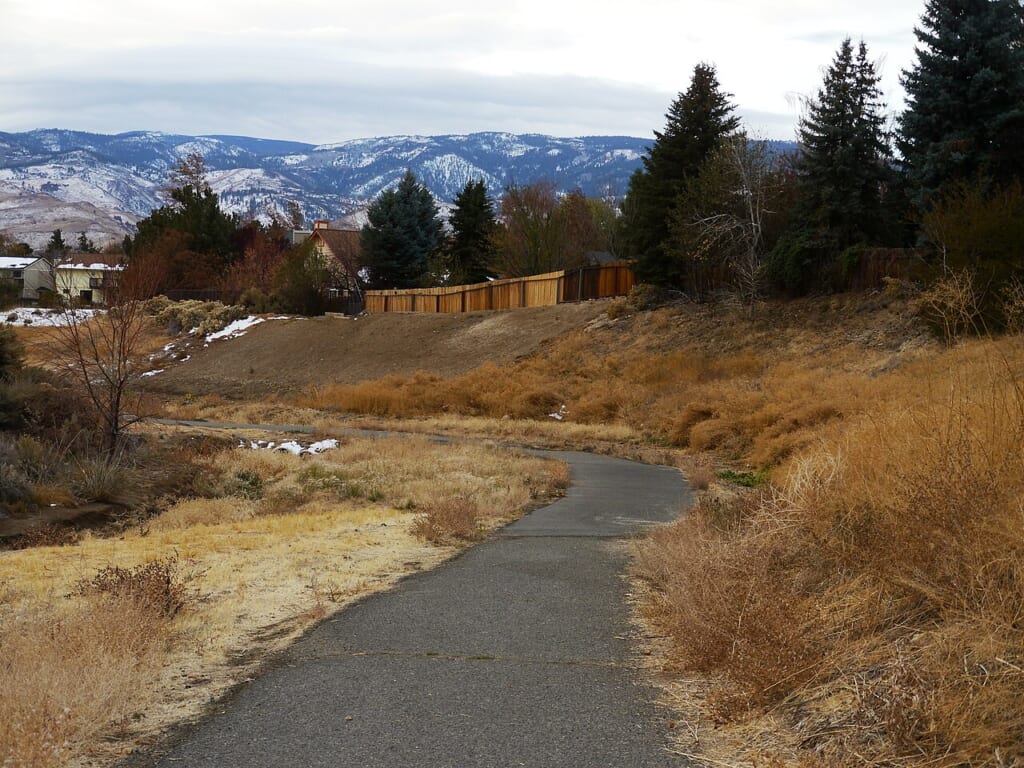
Walking provides a useful comparison
Walking and yoga both appear in blood sugar research. In the 2023 meta-analysis, the walking groups had fasting glucose lower by 12.37 mg/dL and HbA1c lower by 0.35 percentage points than groups doing no regular exercise. Yoga was therefore one of several forms of movement studied alongside oral treatment. For readers who enjoy walking, the review supplies evidence concerning that familiar activity as well.[2]
When yoga was compared with walking in the same review, HbA1c was 0.20 percentage points lower in the yoga groups, and fasting glucose was 12.07 mg/dL lower. The HbA1c confidence interval was −0.37 to −0.04 percentage points. These findings favored yoga for the two blood sugar measurements. They help explain why a person might consider yoga as an activity option when deciding what can fit into daily life.[2]
That decision also involves practical conditions. Walking space, weather and limited joint movement can affect whether a walking plan is feasible. The authors of the 2020 randomized trial discussed a yoga-based exercise program as an option for people facing difficulties with walking. If an outdoor routine is hard to arrange, another form of activity may make it easier to have an exercise plan at all. The useful question is which practice you can undertake within the conditions your doctor has approved.[16]
The insulin-related comparisons require more care. Compared with walking, fasting insulin in the yoga groups differed by −10.06 μIU/mL, but its 95% confidence interval was −23.84 to 3.71. HOMA-IR differed by −5.97, with an interval from −16.92 to 4.99. Although the paper described these reductions as significant, the stated intervals include no difference. Those intervals do not establish superiority for the insulin-related outcomes. The favorable HbA1c and fasting glucose findings remain separate results.[2]
This distinction is useful when discussing the review with a family member. “Yoga did better” leaves out the measurement on which that judgment rests. The evidence gives a more precise statement: the pooled HbA1c and fasting glucose comparisons favored yoga, while the reported insulin-related intervals did not settle the comparison. Choosing an activity can then involve both the relevant findings and the practical matter of which routine is possible to continue.[2][16]
初日の汗は、予約した人だけが持ち帰れる。
Favorable averages coexist with trials showing no significant effect
One 2020 randomized controlled trial included 81 people with a mean age of 50.6 years. Participants had been taking stable oral glucose-lowering medication for at least three months and had a mean starting HbA1c of 8.5%. They were assigned to a yoga-based exercise program or usual care. This trial offers a closer view of one program alongside the larger reviews, including a main result that did not reach statistical significance.[16]
In the analysis based on the participants’ original assignments, the yoga group showed an HbA1c reduction 0.21 percentage points greater than usual care. The reported 95% confidence interval was −0.34 to 0.75 percentage points, and the p-value was 0.454. The between-group difference was not statistically significant. The paper’s conclusion emphasized benefits among those attending a sufficient proportion of sessions, but the main trial comparison remains essential to understanding its findings.[16]
A 2026 prospective study involving adults aged 50 and over had no control group. Of 23 people enrolled, 12 completed a 12-week program combining yoga and education. HbA1c declined from 6.74% to 6.47%, without a statistically significant change. Weight, body mass index and total cholesterol improved significantly, and participants reported better sleep and overall well-being. Different outcomes therefore moved in different ways within this small program.[15]
The wider evidence has limits as well. The 2026 meta-analysis rated certainty as low for both HbA1c and fasting glucose. Evidence from outside India was limited, and smaller subgroup comparisons lacked enough information to detect differences reliably. In the three-month review, most trials had a high overall risk of bias, and results varied substantially among studies. The favorable pooled findings support considering yoga, but the precision of a reported average does not remove these weaknesses in the underlying evidence.[1][4]
Age and health status affect how closely a study resembles your situation. Research spanning ages 17–75, or a trial whose mean age was 50.6, helps inform choices in later life without establishing a separate effect for everyone over 60. The small study of adults over 50 also excluded people with serious health conditions that prevented exercise participation. An older adult with a chronic condition needs to discuss suitable participation with their clinician, taking account of their own health and medication.[2][15][16]
The three-month review described improvements without adverse effects. That statement concerns the interventions and participants studied. It does not establish extra benefits from a heated room or difficult postures, neither of which can be added to the blood sugar conclusions. The evidence supports considering yoga alongside standard care, with the practice chosen to suit the person. Safety and effectiveness each need attention when turning research findings into an actual exercise plan.[1][4]
Attendance and education were part of the programs
Continuing a practice was something researchers measured, rather than merely encouraged. In the 2020 trial, 25 of the 40 people assigned to yoga attended at least 75% of the planned sessions: 62.5% of that group. In practical terms, this meant attending at least 10 of 13 sessions. Follow-up information was available for 78 of the original 81 participants, or 96%. Obtaining follow-up results and attending most sessions were distinct measures of participation.[16]
The attendance figures make the effort involved visible. Most scheduled sessions were not equally easy for every participant to attend. For someone choosing a class, the number of possible visits belongs in the decision alongside the appeal of the activity. The trial gives a concrete example of a planned course and the proportion of participants who attended most of it, rather than assuming that enrollment automatically becomes a sustained routine.[16]
People attending at least 75% of sessions had an HbA1c reduction of 0.3 percentage points, compared with 0.1 percentage point among those attending less. This was an analysis according to actual attendance. It differs from the original randomized comparison between yoga and usual care, because attendance itself was not randomly assigned. The result provides information about participation within the program without proving that the additional visits alone caused the difference.[16]
The trial also reported the proportion whose HbA1c fell by at least 0.5 percentage points: 44.7% in the yoga group and 37.5% in usual care. This looks at how many people crossed a specified change threshold, while the main analysis compared average changes. Participants in usual care also met that threshold. The published summary did not report statistical significance for the difference between these proportions, and the overall between-group HbA1c comparison was not significant.[16]
The prospective study of adults aged 50 and over used five yoga sessions per week and seven educational seminars across 12 weeks. Its completion rate was 52%. Education was therefore part of the intervention, alongside yoga practice. The results describe yoga combined with education, including the challenge of completing the program.[15]
Participants reported improvements in sleep quality and overall well-being despite the absence of a significant HbA1c change. These experiences can be relevant when someone decides whether they want to keep practicing. Clinical measurements and personal experience answer different questions, and both can be brought to a subsequent consultation. A brief account of what you managed and how you felt gives context to the test report, while leaving the interpretation of treatment and blood sugar with your clinician.[15]
Common misconceptions
“If yoga lowers blood sugar, I can reduce my medication.” The studies place exercise alongside treatment. The review comparing yoga and walking concerned activity combined with oral glucose-lowering agents, and the 2020 trial enrolled people taking stable oral medication. These findings describe adding exercise to care. Decisions about medication doses or treatment changes need to be made with your doctor, rather than inferred from a research average or a good day of practice.[2][16]
“If I feel well, low blood sugar is not a concern on a yoga day.” People using glucose-lowering medication or insulin can experience blood sugar falling too low during exercise or afterward. Before beginning, ask your doctor how medication and meals should be handled around activity, and avoid starting on an empty stomach. Preparing for that day’s safety belongs alongside any longer-term aim of improving test results.
“If my weight has not changed, continuing has no value.” The review of 13 trials found improvements in blood sugar outcomes without a significant body mass index change. The small prospective study showed the reverse pattern in some respects: weight and other measures improved, while the HbA1c change was not significant. Reading each outcome on its own gives a clearer account of what changed during a program than using weight as the single judgment on its value.[5][15]

What you can do today
- Practice yoga postures and movements you have learned within your doctor’s approved limits, and use three months as a period for reviewing your routine. For class attendance, consider the example of at least 10 of 13 sessions in the 2020 trial. The three-month review and that trial describe different programs, so these figures are reference points for planning, not a combined prescription. More attendance was not tested as a guarantee of progressively greater benefit.[4][5][16]
- Practice the yoga breathing you have learned alongside postures and movement on days suited to your health. Five sessions per week over 12 weeks was the schedule in the prospective study of adults aged 50 and over; breathing was included in interventions in the 13-trial review. The prospective study found no significant HbA1c change, and its schedule does not establish an effect from breathing alone. The published summaries did not report session lengths or repetition counts for individual poses or breathing exercises; follow what you have learned and your doctor’s approved conditions.[5][15]
- If you use glucose-lowering medication or insulin, ask your doctor about meals and medication around exercise before starting. Do not change medication yourself or begin practice on an empty stomach. Carry glucose or another appropriate snack for low blood sugar. If cold sweats, trembling or strong hunger occur, stop exercising, take the snack and tell someone nearby. Anyone with a chronic condition or taking medication should consult their doctor before beginning. Stop practice for pain or feeling unwell rather than pushing through it.
- Keep a brief record of practice days and review it with your test report at your next appointment. Discuss the changes in HbA1c and the glucose or lipid measurements you normally follow, in the context of continued treatment and exercise.[5][8][16]
Fit blood sugar planning around On the Shore Tachikawa
For blood sugar management alongside treatment, On the Shore Tachikawa offers a place to plan a fixed weekly time to keep moving around meals and medical advice.
The lava-stone hot yoga studio is open every day from 8:00 to 23:30, a one-minute walk from the North Exit of JR Tachikawa Station, at 3F Etoile Bldg, 2-14-10 Akebonocho, Tachikawa, Tokyo. Many of our yoga instructors speak English, and the studio’s owner often helps guests from the US bases in English herself.
Older guests should start with room-temperature yoga. Anyone sensitive to heat or with a chronic condition should consult their doctor first. Guests told by a doctor not to exercise cannot participate. Pregnant guests cannot join lava-stone hot yoga; room-temperature maternity yoga is available.
The studio offers more than 25 kinds of yoga lessons, including room-temperature yoga, as well as Pilates, women-only kickboxercise, boxercise, HIIT and personal training. A 60-minute trial yoga lesson costs ¥1,980 including tax, with two bath towels, one face towel and yoga mat rental. Consult the studio information, prices and trial booking page to consider a class and time that fit your routine.
References
- Effect of yoga on glycemic control in adults with type 2 diabetes mellitus: a Bayesian three-level meta-analysis of randomized controlled trials — Yi-Xin Li et al., 2026, Frontiers in Endocrinology. DOI: 10.3389/fendo.2026.1889124
- Effect of Yoga and Walking on Glycemic Control for the Management of Type 2 Diabetes: A Systematic Review and Meta-analysis — Biswajit Dhali et al., 2023, Journal of the ASEAN Federation of Endocrine Societies. DOI: 10.15605/jafes.038.02.20
- Effectiveness of a three-month yoga protocol on glycemic control in type 2 diabetes mellitus: a systematic review and meta-analysis of randomized controlled trials — A. Vijay et al., 2025, Journal of Diabetes & Metabolic Disorders. DOI: 10.1007/s40200-025-01807-1
- Effects of Yoga on Blood Glucose and Lipid Profile of Type 2 Diabetes Patients Without Complications: A Systematic Review and Meta-Analysis — Shanshan Chen et al., 2022, Frontiers in Sports and Active Living. DOI: 10.3389/fspor.2022.900815
- Mind- and Body-Based Interventions Improve Glycemic Control in Patients with Type 2 Diabetes: A Systematic Review and Meta-Analysis — Fatimata Sanogo et al., 2022, Journal of Integrative and Complementary Medicine. DOI: 10.1089/jicm.2022.0586
- Effects of yoga in adults with type 2 diabetes mellitus: A meta‐analysis — Jie Cui et al., 2016, Journal of Diabetes Investigation. DOI: 10.1111/jdi.12548
- 1520-P: Finding Balance: Yoga as an Adjunct Therapy in Adults with Type 2 Diabetes Mellitus, a Prospective Study — Shefali Khanna et al., 2026, Diabetes. DOI: 10.2337/db26-1520-p
- Effectiveness of Yoga-based Exercise Program Compared to Usual Care, in Improving HbA1c in Individuals with Type 2 Diabetes: A Randomized Control Trial — Uttio Gupta et al., 2020, International Journal of Yoga. DOI: 10.4103/ijoy.ijoy_33_20
Cover photo: A walking path runs through Valley Wood Park in this photograph. (Photo: Rick Obst / CC BY 2.0 / Wikimedia Commons)
Information as of October 2026. For your own health, consult a doctor.
More from Senior Yoga Science (English)
- Yoga for older adults: better balance, but what about falls?
- Yoga for fear of falling: rebuilding confidence in later life
- Yoga for older adults: flexibility beyond the forward bend
- Yoga for older adults: leg strength and getting out of a chair
- Yoga for seniors and gait speed: what walking studies show
- Yoga for knee osteoarthritis: pain, stiffness and daily movement
- Yoga for chronic low back pain: moving better in later life
- Yoga for bone density after 60: what the research tells us
- Yoga for blood pressure in older adults: breathing and rest
- Yoga for older adults: what heart and blood vessel tests show
- Yoga for seniors and sleep: looking beyond hours in bed
- Yoga for older adults with depression: scores over 6 months
- Yoga for seniors with anxiety: chair trials and stress signals
- Yoga for older adults: memory, attention and mental flexibility
- Yoga for MCI and dementia: memory, planning and daily life
- Yoga for older adults and loneliness: finding social connection
- Yoga and quality of life after 60: modest gains, with limits
- Yoga breathing for seniors: what lung function studies show
- Yoga for a rounded upper back after 60: what changed in trials
- Chair yoga for seniors: pain, walking and staying with it
- Yoga for frailty in older adults: walking, strength and limits
- Yoga for urinary incontinence: evidence for older women
- Yoga for older adults: how often to practice and keep going
- Yoga for Parkinson’s disease: movement and mood in later life
- Yoga for older cancer survivors: fatigue, sleep and daily life
- Yoga for neck and shoulder pain: what older adults should know
- Yoga safety for older adults: injuries, pain and safer practice
- Yoga for older adults compared with tai chi and walking
- Hot yoga for older adults: choosing a room that suits you
All Senior Yoga Science articles (English)
初日の汗は、予約した人だけが持ち帰れる。
2