

Weighing and using the result to change behavior are different
Self-weighing means measuring your own body weight. A systematic review, which gathers and evaluates studies using a defined process, examined 17 studies involving adults seeking weight-loss treatment. Regular self-weighing was associated with greater weight loss. However, the strength of that association and the reported weighing frequency varied across studies. Seeing regular weighing and better outcomes together does not establish how much benefit comes from the act of stepping onto a scale by itself.[6]
A meta-analysis of randomized controlled trials drew a sharper distinction. Randomized trials compare interventions after assigning participants to groups by chance; this analysis pooled their weight-loss results. Only one trial in this analysis tested self-weighing as a stand-alone strategy. Its between-group difference was −0.5 kg, with a 95% confidence interval of −1.3 to 0.3 kg. That result did not provide clear evidence that self-weighing alone was effective for weight loss.[15]
The interval from −1.3 to 0.3 kg spans both weight loss and a value representing no difference between groups, so the estimate remains too uncertain to establish a benefit. The small evidence base for the stand-alone approach also leaves a need for further research. This does not contradict a review reporting an association: the two analyses are answering different questions about weighing and its place in people’s behavior.[6][15]
In the same meta-analysis, 4 trials added self-weighing and self-regulation techniques to programs with multiple components. The difference was −1.7 kg, with a 95% confidence interval of −2.6 to −0.8 kg. Self-regulation means using information to adjust behavior. These interventions combined measurement and adjustment with broader support for weight loss. Their result supports the added package of techniques, rather than allowing every part of the benefit to be assigned separately to the scale.[15]
Another 15 trials compared multicomponent interventions that included self-weighing with no intervention or minimal support. The mean difference was −3.4 kg, with a 95% confidence interval of −4.2 to −2.6 kg. The comparison concerned the whole program, including its dietary and behavioral support.[15]
A 6-month trial involving 91 adults with overweight illustrates what a supported intervention can contain. Daily weighing was combined with a connected scale, a weight graph and weekly emails providing tailored feedback and educational material. Weight change was −6.55% in the intervention group and −0.35% in the delayed-start control group. Their respective 95% confidence intervals were −7.7 to −5.4% and −1.5 to 0.79%. Measurement was part of a system that helped participants view and respond to the numbers.[20]
For a home record, the practical question is what you plan to check after seeing a change. Did you return to your usual meals after eating out? Did you carry out the activity you had planned? The intervention evidence gives a reason to include reflection and a next step, rather than allowing a longer spreadsheet to become the entire goal.[15][20]
初日の汗は、予約した人だけが持ち帰れる。
Look at when the record stops as well as how often you weigh
Does daily weighing always outperform weekly weighing? The meta-analysis found no significant difference between interventions instructing participants to weigh daily and those instructing them to weigh weekly. That does not support a rule that everyone must measure every day to lose weight. Yet a weekly measurement cannot reveal the shape of a fluctuation within that week. Comparing weight-loss outcomes and observing day-of-week rhythms are distinct purposes for keeping a record.[15]
A study of 74 adults separated frequency from consistency. Participants completed a 3-month internet-based weight-loss program, followed by a 9-month maintenance period without an intervention. Frequency meant the total number of days on which participants weighed themselves. That total was not significantly associated with weight change. Consistency meant how many weeks met a particular weighing pattern: more weeks with measurements on at least 6 days, or on all 7 days, were associated with less regain.[7]
This suggests that maintaining a pattern may matter more than accumulating measurements in bursts. But it was an analysis of a small group during maintenance after a program. It does not establish at least 6 days a week as a universal requirement. A useful response is to ask which kinds of weeks interrupt your routine, rather than competing for the greatest number of entries. The distinction is between a sustained pattern and a total count, with an observational association behind it.[7]
A much larger observational study followed 9,768 smart-scale users for an average of 1,085 days. Average weight change was −0.59 kg, and weighing frequency was equivalent to 2.8 times per week. The correlation between the proportion of days with a measurement and weight change was −0.111: more frequent measurement was associated with a shift toward weight loss, but the number did not indicate a strong relationship.[4]
Men made up 66.7% of this sample, and users had used their scale for at least a year. The results describe people who continued using such a device. Motivation to weigh, interest in weight loss and circumstances that make routines easier could relate to both measurement and weight. Those possible background factors are another reason not to interpret the association as proof that increasing the count alone causes a particular weight change.[4]
In this group, 72.5% experienced at least one period of 30 days or longer without weighing, and weight increases were observed during those breaks. The association cannot show whether stopping measurement led to the gain or whether circumstances favoring gain also interrupted the record. If your first measurement after a long gap is higher, the circumstances of the gap deserve attention alongside the new number. Missing dates are information about the record’s limits, not evidence of a personal failing.[4]
Memory can also give a misleading impression of consistency. An analysis using data from a 24-month trial compared reported weighing frequency with connected-scale records. Agreement fell from 80.8% at 12 months to 48.5% at 24 months. Where the measures disagreed, people generally reported weighing more often than the device recorded. Checking dates is more informative than relying only on a recollection that you were measuring “most of the time.”[19]

Common misconceptions
“A weekend increase cancels out the weight I lost” mixes a short fluctuation with a longer direction. Weekend rises were observed among people who lost or maintained weight, with stronger weekday declines in those groups. The following days and the longer record help interpret Monday’s number. At the same time, holiday gains remained in subsequent months in another study, so treating every increase as temporary would be an equally unsupported shortcut.[2][3]
“If I weigh daily, that alone will make me lose weight” asks more of the evidence than it can deliver. The meta-analysis did not establish a clear benefit in the single stand-alone trial, while interventions combining weighing with broader behavioral programs showed differences. Measurement may open a discussion about meals and activity. The number of visits to the scale cannot simply substitute for changes in those behaviors. It is a measurement tool, not a loyalty card.[15]
“Thursday is a weekday, so my routine is still intact” is also worth examining. A secondary analysis of a 16-week behavioral weight-loss program included 446 adults with obesity, whose average age was 49.5 years. Dietary recording was lowest and intake highest from Thursday through Sunday. Behavior varied across days, including days before the conventional weekend.[9]
That finding gives a reason to look at your own schedule rather than dividing life only into Saturday–Sunday and everything else. A Thursday with late work, a Friday dinner and a family outing can present different difficulties. The related features on shift work and remote work address those working arrangements in more detail. For this question, notice which days have entries and which do not, without claiming that a particular work schedule caused the weight pattern.[9]
The systematic review of regular self-weighing did not find an association with adverse psychological outcomes such as depression or anxiety. That is relevant reassurance about the study findings, but it cannot guarantee that no individual will feel distressed. If weighing brings strong anxiety about food or becomes a burden in daily life, consult a doctor rather than escalating frequency. The purpose of a record is to support useful decisions, not to make every morning a harsher assessment of yourself.[6]
What you can do today
- Compare the previous week’s same weekday, this week’s value and the weekday average in a table. If you want to see the within-week wave, consider weighing on at least 6 days a week, keeping the date and weight. This pattern was associated with less regain during maintenance; it was not established as necessary for everyone. The approximately 0.3% group fluctuation is a reason to compare matching weekdays, rather than a personal allowance.[1][3][7]
- From Thursday through Sunday, choose each day’s meals and portions before eating, then use your food record to adjust intake. These were the days with the highest intake and lowest dietary-recording adherence in the behavioral-program analysis.[9]
- Put your usual post-weekend activity back on the calendar and carry out the activity you planned. Use the once-a-week review of food and weight records to decide what behavior to change next, drawing on the weekly feedback in the supported weighing trial and the combination of measurement with self-regulation.[15][20]
- If a weighing interruption is becoming prolonged, restart the record with dates, weights and the circumstances that interrupted it. Breaks of at least 30 days were associated with weight gain in an observational study; that association does not establish that stopping measurement caused the gain.[4]
These are research-informed ways to organize meals, records and feedback. The studies did not verify particular menus or exercise amounts as individual prescriptions.
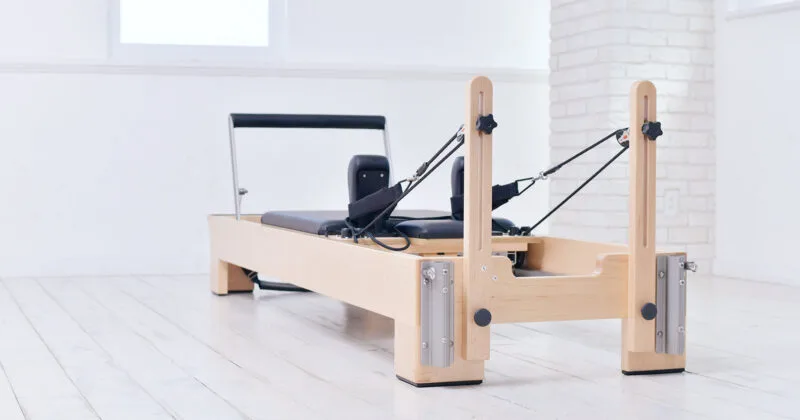
Put post-weekend activity on the calendar at On the Shore Tachikawa
While following the weekly rise and fall of weight, you can put lessons at On the Shore Tachikawa on your calendar as a place to continue your usual activity after the weekend. Plan days for movement alongside the days when you weigh yourself.
For a first visit, the yoga trial includes a 60-minute lesson, rental of 2 bath towels, 1 face towel and a yoga mat, for ¥1,980 including tax. The prices page and trial booking page give you somewhere to start planning.
The address for your post-weekend visit is 3F Etoile Bldg, 2-14-10 Akebonocho, Tachikawa, Tokyo; walking from the North Exit of JR Tachikawa Station takes 1 minute. Its more than 25 kinds of yoga lessons include lava-stone hot yoga and room-temperature yoga; the other options are Pilates, personal training, women-only kickboxercise, boxercise and HIIT. Many of our yoga instructors speak English, and the studio’s owner often helps guests from the US bases in English herself.
During pregnancy, guests may attend room-temperature maternity yoga but cannot take part in lava-stone hot yoga. Anyone whose doctor has told them not to exercise cannot use the studio. For a visit after the weekend or on any other day, the studio is open every day 8:00–23:30. Compare those hours on the studio website with your schedule to find a time for activity after the weekend.
References
- Weekly, Seasonal, and Festive Period Weight Gain Among Australian Adults — C. Maher et al., 2023, JAMA Network Open. DOI: 10.1001/jamanetworkopen.2023.26038
- Weekly, seasonal and holiday body weight fluctuation patterns among individuals engaged in a European multi-centre behavioural weight loss maintenance intervention — J. Turicchi et al., 2020, PLoS ONE. DOI: 10.1371/journal.pone.0232152
- Weight Rhythms: Weight Increases during Weekends and Decreases during Weekdays — Anna-Leena Orsama et al., 2014, Obesity Facts. DOI: 10.1159/000356147
- Frequency of Self-Weighing and Weight Change: Cohort Study With 10,000 Smart Scale Users — Anna-Leena Vuorinen et al., 2020, Journal of Medical Internet Research. DOI: 10.2196/25529
- Self‐weighing in weight management: A systematic literature review — Yaguang Zheng et al., 2015, Obesity. DOI: 10.1002/oby.20946
- Frequency and Consistency of Self-Weighing to Promote Weight Loss Maintenance — Andrea N Brockmann et al., 2020, Obesity (Silver Spring, Md.). DOI: 10.1002/oby.22828
- Within-week and within-year patterns in self-monitoring of dietary intake in adults with obesity participating in a behavioral weight loss program — Kathryn M. Ross et al., 2025, Health Psychology and Behavioral Medicine. DOI: 10.1080/21642850.2025.2485476
- Is self-weighing an effective tool for weight loss: a systematic literature review and meta-analysis — C. Madigan et al., 2015, The International Journal of Behavioral Nutrition and Physical Activity. DOI: 10.1186/s12966-015-0267-4
- How accurate are recalls of self-weighing frequency? Data from a 24-month randomized trial — M. Crane et al., 2018, Obesity (Silver Spring, Md.). DOI: 10.1002/oby.22239
- The efficacy of a daily self-weighing weight loss intervention using smart scales and email — Dori M. Steinberg et al., 2013, Obesity (Silver Spring, Md.). DOI: 10.1002/oby.20396
Cover photo: A person stands with both feet on a floor scale to measure body weight. (Photo: Photograph: Frank C. Müller, Baden-Baden / CC BY-SA 4.0 / Wikimedia Commons)
Information as of October 2026. For your own health, consult a doctor.
More from Diet Science (English)
- Metabolic adaptation and why your weight loss can slow down
- Body composition and weight loss beyond the bathroom scale
- Food logging and weight loss: what matters beyond perfect records
- Protein and weight loss beyond fullness and the bathroom scale
- Dietary fiber and weight loss: what gut research really shows
- Low-carb vs low-fat diets: what long-term weight loss shows
- Time-restricted eating and weight loss: what trials reveal
- Breakfast and weight loss: what eating or skipping really changes
- Sleep deprivation and appetite: why nighttime snacks add up
- Stress and emotional eating beyond the cortisol explanation
- Aerobic vs resistance training for fat loss and lean mass
- HIIT and body fat loss: what shorter workouts can really offer
- Strength training, metabolism and the science of weight regain
- Yoga and weight loss: what body composition research shows
- Hot yoga calories and sweat: what a lighter scale really means
- Pilates and body composition: what posture and fat studies show
- NEAT and weight loss: what everyday movement can really do
- Daily steps and weight loss: what 8,000 steps really tells us
- Keeping weight off: what long-term maintainers do and how they recover
- Daily self-weighing and weight loss: how to use the numbers
- Water before meals and weight loss: what 500 ml trials show
- Sugary drinks and sweeteners: what replacement means for weight
- Alcohol and weight loss through calories, appetite and fat use
- Ultra-processed foods and overeating through the trial evidence
- Eating rate and weight loss: what slower chewing can change
- Menopause weight gain and why your waist can change first
- Postpartum weight loss through diet, exercise and support
- Sarcopenia and protein: protecting muscle as you grow older
- Visceral fat in men and what exercise changes beyond weight
- Supervised exercise and weight loss: building lasting habits
- GLP-1 drugs and exercise for muscle and weight maintenance
- Weight cycling and metabolism: what 23 studies actually found
- Low GI diets and weight loss: blood sugar is only part of the story
- Mediterranean diet trials separate weight loss from fat loss
- Plant-based diets and weight loss depend on what trials compare
- Snacking frequency alone cannot tell you how weight will change
- Late eating and weight gain: what meal timing trials show
- Portion size and weight loss: change the serving before the plate
- Eating out and weight loss: what meal frequency really tells us
- Menu calorie labeling changes some orders, but results vary
- Coffee and caffeine affect metabolism more clearly than weight
- Green tea catechins and weight loss: what the numbers mean
- Fat burner supplements can raise metabolism without fat loss
- Meal replacements for weight loss and the return to regular food
- Probiotics show small weight differences, not a uniform effect
- Genetics and obesity: what FTO studies say about weight loss
- Weight stigma and self-criticism can accompany daily barriers
- Exercise and appetite: why hunger and eating back calories differ
- Weekend warrior exercise and what it means for weight loss
- Exercise timing and weight loss: morning or evening workouts?
- Fat-burning zone measures fuel use, not future weight loss
- Interval walking for weight loss: what the trials really show
- Stair climbing for weight loss: what fitness studies really show
- Holiday weight gain and why it may still be there in spring
- Menstrual cycle and weight loss: reading hunger and the scale
- Energy density and weight loss without shrinking every meal
- Whole grains and weight loss depend on more than a staple swap
- Nuts and weight loss: why high fat does not mean weight gain
- Body fat measurement accuracy in home scales and DXA scans
- Wearables and weight loss: why more steps may not move the scale
- Alternate-day fasting and 5:2 compared with daily dieting
- Ketogenic diets and weight loss beyond the first few months
- Dairy and calcium have different results in weight-loss trials
- Legumes and weight loss: what fullness can and cannot tell us
- Fish and omega-3 offer no consistent shortcut to weight loss
- Fruit and vegetables for weight loss: what adding more changes
- Meal sequence and blood sugar: what vegetables first can change
- Distracted eating and why lunch can affect your next snack
- Social eating and weight loss: how friends shape meal size
- Home food environment connects shopping, meals and weight
- Mindful eating and weight loss: what changes beyond the scale
- Implementation intentions can help diet and exercise plans work
- Financial incentives for weight loss and what happens afterward
- Social support and weight loss depend on what a partner does
- Rapid versus gradual weight loss and what happens afterward
- Food diary underreporting and why calorie totals can mislead
- BMR estimation equations can miss your individual metabolism
- Sedentary breaks change blood sugar without proving weight loss
- Active commuting may mean smaller weight gains over the years
- Swimming and weight loss: what changes beyond the scales?
- Running vs walking changes the comparison for weight loss
- Resistance training volume and frequency for muscle and fat
- Cold exposure activates brown fat but may not reduce weight
- Sauna and bathing for weight loss: what the scale cannot tell
- Weight loss and bone density depend on diet and exercise
- Weight loss and mood: why mental health follows its own path
- Shift work and weight gain beyond the late-night snack story
- Remote work changes meals, but weight gain is not inevitable
- High-protein diet types and what their weight-loss results mean
All Diet Science articles (English)
初日の汗は、予約した人だけが持ち帰れる。
2


