

A randomized trial still needs a careful comparison
A randomized trial of repeated cold exposure enrolled 28 healthy participants. It assigned 16 to cold exposure for 1 hour every day and 12 to avoiding the sensation of cold, with follow-up over 6 weeks. In the cold-exposure group, 2 participants dropped out and 1 was excluded. The trial was open-label, meaning participants knew which condition they had been assigned.[2]
Describing its result simply as “cold raised resting metabolism” loses a critical detail. Metabolic rate measured at room temperature showed an upward trend in the cold-exposure group, but the increase was not statistically significant. In the group assigned to avoid cold, metabolic rate decreased both at room temperature and during cold stimulation. The difference between the groups’ changes was statistically significant.[2]
A change within a group and a difference between groups’ changes are separate comparisons. In this trial, the decline in the comparison group contributed to the difference between groups. Saying that the groups changed differently preserves the result. Saying that cold exposure produced a significant increase within the cold group would describe a finding the trial did not establish.[2]
This can be easy to miss in an everyday headline. The phrase “metabolism increased” sounds like a promise that a person’s measurement rose above its earlier level. A research result may instead describe how an intervention compares with a control condition that moved in another direction. Looking at both groups prevents the comparison group’s contribution from disappearing from the story.[2]
The result for brown-fat volume above the collarbone also comes with an analysis condition. Researchers excluded 2 participants who reported at least 8 days without cold exposure in an on-treatment analysis. In that analysis, volume increased from 0.0175±0.015 L to 0.0216±0.014 L. This examines what happened among a more restricted set of participants who followed the intervention, rather than automatically representing everyone initially assigned to it.[2]
Adherence is part of the practical question. Making time for cold exposure every day was itself a requirement of the intervention. Dropouts and missed days do not erase the metabolic findings. They do show why evidence from people who maintained an exposure should be distinguished from evidence that the same routine is workable in ordinary life over a longer period.[2]
A broader systematic review analyzed 47 clinical trials of interventions associated with brown-fat activation. These were not 47 trials of cold exposure alone. Intervention duration and the methods used to estimate heat production or energy expenditure varied substantially. Changes in expenditure did not correspond to major weight changes. Although cold exposure appeared to activate brown fat and increase heat production fairly consistently, the studies were small, and the review judged it an unlikely sustainable treatment for obesity.[3]
The individual trial showing a reduction in body fat and the unfavorable review do not have to contradict each other. They address different scales of the question. A change in selected healthy participants receiving a defined stimulus is evidence of possibility. Demonstrating meaningful, sustained weight loss in a wider population is a larger claim. The favorable experiment should remain visible without carrying the whole argument for a daily cold routine.[3][5]
初日の汗は、予約した人だけが持ち帰れる。
Body size and blood results tell different stories
It might seem reasonable that people with more body fat would have more fuel available to burn in the cold. A study of 173 healthy adults found an association in the opposite direction: higher BMI was linked to a smaller cold-induced increase in resting energy expenditure. Participants had a median age of 26 years, and 50.9% were women. The median increase across the sample was 74 kcal/day.[9]
The interquartile range was −28 to 241 kcal/day. This describes the spread of the middle portion of the results when values are placed in order. It includes values in the direction of decreased expenditure, showing why a typical response cannot describe every person. A negative value in this result concerns a change in expenditure, rather than a measurement of body-fat gain or loss.[9]
Among participants in the normal-weight group, the median increase was 103 kcal/day and was significant. The corresponding values were 23 kcal/day in the overweight group and −30 kcal/day in the obesity group; neither group showed a significant increase. The group medians and the broad spread across the sample need to be read together. They do not support a universal metabolic reward for being cold.[9]
It would also be premature to interpret this acute study as proof that brown fat in people with obesity cannot adapt. A separate intervention studied 10 metabolically healthy men with obesity. Following 10 days of cold acclimation, cold-induced glucose uptake in brown fat increased. Brown-fat activity was negatively related to age, with a similar trend for body-fat percentage.[20]
The intervention focused on metabolic adaptation assessed through imaging and muscle measurements. Glucose uptake in visceral and subcutaneous fat did not change after acclimation. The authors discussed the possibility of improved glucose metabolism, but no amount of weight loss was reported. Evidence that a group can adapt metabolically should not be turned into evidence that the intervention has established a weight-loss benefit for that group.[20]
Blood measurements require similar care. A systematic review and meta-analysis of cold exposure in healthy humans included 7 studies, combining randomized and nonrandomized trials, with 85 participants in total. When warmer and colder conditions were compared during fasting, there were no significant changes in blood glucose, insulin, or triglyceride concentrations. Free fatty acid concentrations did increase significantly in data from 38 participants.[7]
Free fatty acids can be understood as fat-derived fuel circulating in the blood. The authors suggested that the increase could reflect brown-fat activity during cold exposure. A circulating fuel concentration and the total amount of fat stored in the body are different outcomes. This analysis measured the former, and the result does not supply a quantity of body fat lost.[7]
Separating energy expenditure, tissue activity, blood concentrations, body-fat mass, and body weight makes research easier to interpret. A report can establish a change in one without establishing a change in all the others. Reading about increased glucose uptake in brown fat does not mean that an unchanged bathroom-scale reading the next morning contradicts the research. The scale is answering a different question.[7][20]

Common misconceptions
“If brown fat is active, I must be losing weight” skips an essential part of the evidence. Cold exposure can increase energy expenditure, and a particular repeated-exposure intervention observed a reduction in body-fat mass. Across clinical trials of brown-fat activation, however, expenditure changes did not correspond to major changes in weight. Long-term feasibility and effectiveness remained uncertain. Activity is a useful research outcome, but it is not a complete verdict on weight loss.[1][3][5]
“A cold plunge is equivalent to a cooler room” combines different kinds of exposure. A narrative review of intermittent cold exposure found that it did not consistently reduce body weight or fat mass. A narrative review discusses the literature in prose to examine its overall pattern. Much of the research it considered involved rodents housed in cold rooms, rather than the cold-water immersion people might choose in daily life.[19]
The review called for research on cold-water immersion with controlled calorie intake to clarify its effects under conditions closer to human practice. Mild room cooling, a liquid-conditioned suit, and immersion in cold water should retain their separate identities when a finding is translated into a practical claim.[15][19]
Taking a temperature from an experiment and using it as a target for a bath removes the exposure method that gave the number its meaning. The suit study examined adaptation under a specialized procedure. The review of intermittent exposure identified a gap between much of the available literature and likely human routines. Neither justifies treating every form of cold exposure as interchangeable.[15][19]
“Exercise in the cold adds both benefits together” is also an unconfirmed expectation. The same narrative review found no apparent additional benefit from combining exercise with intermittent cold exposure, at least when exercise took place during the cold bouts. Much of that literature was based on animals, and questions about specific forms of human exercise remain. Adding a cold stimulus to exercise therefore needs its own justification rather than an assumption of additive effects.[19]
What you can do today
- Schedule an activity you can keep doing without adding cold-water immersion or exercise in a cold setting for weight loss. The review found no apparent additional benefit from exercise during cold-exposure bouts; much of its literature involved animals.[19]
- Keep your usual meal portions after a chilly outing. The measured extra expenditure of 20 kcal came from participants with detectable active brown fat, while those without it showed no significant increase. Keep that experiment’s result separate from decisions about how much to eat.[13]
- Choose room conditions that help you keep exercising. The average 5.3% increase at 19 °C compared with 24 °C came from overnight measurements in healthy adults, rather than an exercise session. Use the room as an environment for continuing activity rather than trying to reproduce that metabolic figure.[16]
- Prioritize actions you can maintain in your usual morning or evening schedule. The randomized cold-exposure trial required 1 hour every day for 6 weeks and still had dropouts and missed exposures. Long-term feasibility remained an unresolved question in the review.[2][3]
- Reconsider reducing heating specifically for weight loss. Across 47 clinical trials of brown-fat activation, expenditure changes did not correspond to major weight changes. A metabolic response to cold does not guarantee a lasting change on the scale.[3]
People with existing medical conditions, pregnant people, and older adults should consult a doctor before considering cold exposure.
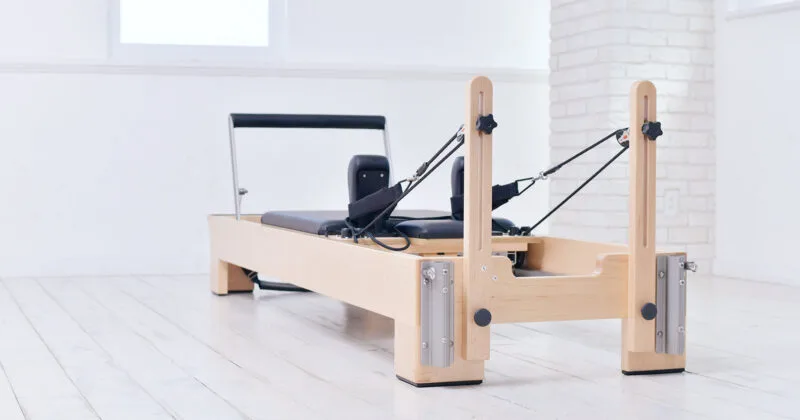
Keep moving without added cold at On the Shore Tachikawa
The evidence does not establish an extra benefit from combining exercise with cold exposure. For a routine without an added cold stimulus, room-temperature yoga at On the Shore Tachikawa can be a place to keep your activity habit going.[19]
From JR Tachikawa Station’s North Exit, the studio is a 1-minute walk away, on 3F of Etoile Bldg at 2-14-10 Akebonocho, Tachikawa, Tokyo. A 60-minute trial yoga lesson is ¥1,980 including tax; mat rental, 2 bath towels and 1 face towel are included. You can choose a date through trial booking and check the price page.
Guests whose doctor has instructed them to stop exercising cannot participate. During pregnancy, guests cannot attend lava-stone hot yoga; room-temperature maternity yoga is available instead.
Alongside room-temperature classes, this lava-stone hot yoga studio offers more than 25 kinds of yoga lessons, Pilates, personal training, women-only kickboxercise, boxercise and HIIT. It is open every day 8:00–23:30, and the studio website can help you consider a time and activity to continue. Many of our yoga instructors speak English, and the studio’s owner often helps guests from the US bases in English herself.
References
- Effect of Acute Cold Exposure on Energy Metabolism and Activity of Brown Adipose Tissue in Humans: A Systematic Review and Meta-Analysis — Chuan-Yi Huo et al., 2022, Frontiers in Physiology. DOI: 10.3389/fphys.2022.917084
- A randomized trial of cold-exposure on energy expenditure and supraclavicular brown adipose tissue volume in humans. — Thobias Romu et al., 2016, Metabolism: clinical and experimental. DOI: 10.1016/j.metabol.2016.03.012
- Interventions associated with brown adipose tissue activation and the impact on energy expenditure and weight loss: A systematic review — Luis C. Pérez et al., 2022, Frontiers in Endocrinology. DOI: 10.3389/fendo.2022.1037458
- Cold-activated brown adipose tissue in healthy men. — W. D. van Marken Lichtenbelt et al., 2009, The New England journal of medicine. DOI: 10.1056/nejmoa0808718
- Recruited brown adipose tissue as an antiobesity agent in humans. — T. Yoneshiro et al., 2013, The Journal of clinical investigation. DOI: 10.1172/jci67803
- Metabolic Effects of Brown Adipose Tissue Activity Due to Cold Exposure in Humans: A Systematic Review and Meta-Analysis of RCTs and Non-RCTs — S. Tabei et al., 2023, Biomedicines. DOI: 10.3390/biomedicines12030537
- Effect of BMI on the Thermogenic Response to Cold Exposure and Associated Changes in Metabolism and Browning Markers in Adult Humans — Laura A. Mengel et al., 2022, Obesity Facts. DOI: 10.1159/000522218
- The presence of active brown adipose tissue determines cold-induced energy expenditure and oxylipin profiles in humans. — O. Kulterer et al., 2020, The Journal of clinical endocrinology and metabolism. DOI: 10.1210/clinem/dgaa183
- Increased Brown Adipose Tissue Oxidative Capacity in Cold-Acclimated Humans — Denis P. Blondin et al., 2014, The Journal of Clinical Endocrinology and Metabolism. DOI: 10.1210/jc.2013-3901
- Brown fat activation mediates cold-induced thermogenesis in adult humans in response to a mild decrease in ambient temperature. — Kong Y. Chen et al., 2013, The Journal of clinical endocrinology and metabolism. DOI: 10.1210/jc.2012-4213
- The Effects of Intermittent Cold Exposure on Adipose Tissue — Matthew C Scott et al., 2023, International Journal of Molecular Sciences. DOI: 10.3390/ijms25010046
- Short-term Cold Acclimation Recruits Brown Adipose Tissue in Obese Humans — Mark J. W. Hanssen et al., 2015, Diabetes. DOI: 10.2337/db15-1372
Cover photo: Frost covers the outdoor landscape on a winter morning. (Photo: lehaso / CC BY 3.0 / Wikimedia Commons)
Information as of October 2026. For your own health, consult a doctor.
More from Diet Science (English)
- Metabolic adaptation and why your weight loss can slow down
- Body composition and weight loss beyond the bathroom scale
- Food logging and weight loss: what matters beyond perfect records
- Protein and weight loss beyond fullness and the bathroom scale
- Dietary fiber and weight loss: what gut research really shows
- Low-carb vs low-fat diets: what long-term weight loss shows
- Time-restricted eating and weight loss: what trials reveal
- Breakfast and weight loss: what eating or skipping really changes
- Sleep deprivation and appetite: why nighttime snacks add up
- Stress and emotional eating beyond the cortisol explanation
- Aerobic vs resistance training for fat loss and lean mass
- HIIT and body fat loss: what shorter workouts can really offer
- Strength training, metabolism and the science of weight regain
- Yoga and weight loss: what body composition research shows
- Hot yoga calories and sweat: what a lighter scale really means
- Pilates and body composition: what posture and fat studies show
- NEAT and weight loss: what everyday movement can really do
- Daily steps and weight loss: what 8,000 steps really tells us
- Keeping weight off: what long-term maintainers do and how they recover
- Daily self-weighing and weight loss: how to use the numbers
- Water before meals and weight loss: what 500 ml trials show
- Sugary drinks and sweeteners: what replacement means for weight
- Alcohol and weight loss through calories, appetite and fat use
- Ultra-processed foods and overeating through the trial evidence
- Eating rate and weight loss: what slower chewing can change
- Menopause weight gain and why your waist can change first
- Postpartum weight loss through diet, exercise and support
- Sarcopenia and protein: protecting muscle as you grow older
- Visceral fat in men and what exercise changes beyond weight
- Supervised exercise and weight loss: building lasting habits
- GLP-1 drugs and exercise for muscle and weight maintenance
- Weight cycling and metabolism: what 23 studies actually found
- Low GI diets and weight loss: blood sugar is only part of the story
- Mediterranean diet trials separate weight loss from fat loss
- Plant-based diets and weight loss depend on what trials compare
- Snacking frequency alone cannot tell you how weight will change
- Late eating and weight gain: what meal timing trials show
- Portion size and weight loss: change the serving before the plate
- Eating out and weight loss: what meal frequency really tells us
- Menu calorie labeling changes some orders, but results vary
- Coffee and caffeine affect metabolism more clearly than weight
- Green tea catechins and weight loss: what the numbers mean
- Fat burner supplements can raise metabolism without fat loss
- Meal replacements for weight loss and the return to regular food
- Probiotics show small weight differences, not a uniform effect
- Genetics and obesity: what FTO studies say about weight loss
- Weight stigma and self-criticism can accompany daily barriers
- Exercise and appetite: why hunger and eating back calories differ
- Weekend warrior exercise and what it means for weight loss
- Exercise timing and weight loss: morning or evening workouts?
- Fat-burning zone measures fuel use, not future weight loss
- Interval walking for weight loss: what the trials really show
- Stair climbing for weight loss: what fitness studies really show
- Holiday weight gain and why it may still be there in spring
- Menstrual cycle and weight loss: reading hunger and the scale
- Energy density and weight loss without shrinking every meal
- Whole grains and weight loss depend on more than a staple swap
- Nuts and weight loss: why high fat does not mean weight gain
- Body fat measurement accuracy in home scales and DXA scans
- Wearables and weight loss: why more steps may not move the scale
- Alternate-day fasting and 5:2 compared with daily dieting
- Ketogenic diets and weight loss beyond the first few months
- Dairy and calcium have different results in weight-loss trials
- Legumes and weight loss: what fullness can and cannot tell us
- Fish and omega-3 offer no consistent shortcut to weight loss
- Fruit and vegetables for weight loss: what adding more changes
- Meal sequence and blood sugar: what vegetables first can change
- Distracted eating and why lunch can affect your next snack
- Social eating and weight loss: how friends shape meal size
- Home food environment connects shopping, meals and weight
- Mindful eating and weight loss: what changes beyond the scale
- Implementation intentions can help diet and exercise plans work
- Financial incentives for weight loss and what happens afterward
- Social support and weight loss depend on what a partner does
- Rapid versus gradual weight loss and what happens afterward
- Food diary underreporting and why calorie totals can mislead
- BMR estimation equations can miss your individual metabolism
- Sedentary breaks change blood sugar without proving weight loss
- Active commuting may mean smaller weight gains over the years
- Swimming and weight loss: what changes beyond the scales?
- Running vs walking changes the comparison for weight loss
- Resistance training volume and frequency for muscle and fat
- Sauna and bathing for weight loss: what the scale cannot tell
- Weight loss and bone density depend on diet and exercise
- Weight loss and mood: why mental health follows its own path
- Shift work and weight gain beyond the late-night snack story
- Remote work changes meals, but weight gain is not inevitable
- Weekly weight fluctuations and what a Monday gain really means
- High-protein diet types and what their weight-loss results mean
All Diet Science articles (English)
初日の汗は、予約した人だけが持ち帰れる。
2


