


A slower pace does not establish weight loss
Do people who eat quickly tend to have a higher body weight? A 2015 meta-analysis combined 23 epidemiological studies in adults, excluding intervention studies and studies of children. The mean difference in body mass index between fast and slow eaters was 1.78 kg/m², with a 95% confidence interval of 1.53–2.04. Body mass index, or BMI, describes body size using height and weight; its units are different from body weight alone.[15]
The pooled odds ratio for the association between fast eating and the presence of obesity was 2.15, with a 95% confidence interval of 1.84–2.51. An odds ratio is not a direct ratio of probabilities. More fundamentally, the researchers did not instruct people to slow down and then compare their weight loss. The finding cannot be read as evidence that stopping fast eating halves your chance of having obesity.[15]
Other conditions in people’s lives may accompany both eating speed and body size. Combining observational studies does not turn them into interventions, and the size of the associations varied across studies. The authors called for research to establish whether interventions that slow eating are effective for weight control. An association can identify a worthwhile question; changing the behavior and measuring the result addresses a different part of that question.[15]
Intervention results also need careful reading. A 2014 randomized crossover study compared lunch eaten at different speeds in 35 adults with normal weight and 35 with overweight or obesity. The mean ages were 33.3 and 44.1 years, respectively. Participants could eat the same meal freely under both conditions, and researchers assessed hunger and fullness as well as the food consumed.[14]
In the normal-weight group, energy intake was 804.5 kcal in the slow condition and 892.6 kcal in the fast condition, a significant difference. In the overweight and obesity group, the respective values were 667.3 and 724.8 kcal. That average was numerically lower with slower eating, but the difference was not statistically significant. A lower observed mean and a statistically established difference are separate statements.[14]
At 60 minutes after the meal began, both groups reported less hunger in the slow condition. The normal-weight group also reported greater fullness. Both groups had a lower eating rate and lower energy intake per gram of food and water consumed. These measurements show why the result cannot be reduced to a single sentence about calories: the trial also found differences in pace, the energy density of consumption and appetite at a defined time.[14]
There was no significant interaction between eating speed and weight status. An interaction tests whether the effect differs between the groups. Finding a significant result in one group and a nonsignificant result in another does not, by itself, demonstrate that the effects are different. The study’s group results are worth reporting, but they should not become a claim that slower eating works only for people in one weight category.[14]
This also changes how you might interpret your own experience. If you slow down and still eat a similar amount, that observation need not mean that you failed to follow the instruction. The research contains situations in which pace changed without a clear energy-intake difference. It is more useful to identify the result you observed than to assume that every person should reproduce the same outcome from a laboratory lunch.[14]
初日の汗は、予約した人だけが持ち帰れる。
Instruction and food texture can change pace without a significant calorie difference
A 2023 study tested a 5-week slow-eating intervention in 65 young women with overweight or obesity. Their mean age was 20.5 years. The program used individual or small-group meetings. In the final comparison, data from 25 intervention participants and 25 controls showed a lower eating rate and longer meal duration, but the change in energy intake was not significant.[5]
The instruction did change the behavior it targeted. There were no differences in measured outcomes between individual and small-group delivery, so the intervention data were combined. Within the intervention group, questionnaire scores for eating in response to external cues and emotions decreased. Scores concerning intuitive eating and attention to eating increased. The authors called for larger, more diverse samples and longer follow-up.[5]
These outcomes offer different kinds of information. Eating rate and meal duration describe the meal behavior; questionnaire responses describe aspects of the participants’ reported eating patterns. None of those findings cancels the nonsignificant energy-intake result. A reader can recognize that the instruction changed pace and still ask whether it changes calories or weight over a longer period. The study leaves that longer-term question open.[5]
Food texture offers another route, potentially changing pace through the food itself. A 2026 randomized crossover feeding trial involved 20 Dutch adults. Each participant experienced a faster-texture diet and a slower-texture diet for 11 consecutive days each. Breakfast and dinner could be eaten freely; lunch was the same in both conditions and served in fixed portions. The design followed eating across days rather than looking at a single lunch.[16]
The diets were matched for the weight, energy and energy density served. Researchers also made them comparable in visual volume, liking and variety. Those controls matter because the intention was to examine texture-related eating rate, while keeping differences in the appeal and amount of food as small as possible. This was a structured feeding comparison, rather than advice simply to add any harder food to an existing diet.[16]
Average eating rate was 32% lower in the slow-texture condition, and cumulative food intake was 6% lower. Nevertheless, energy intake did not differ significantly. On days when texture produced significant differences in eating rate, food intake was 121 g per day lower. There was no evidence that this effect weakened over time. A sustained difference in eating pace and food weight did not establish a sustained calorie difference.[16]
Texture lowered eating rate and supported reduced food intake on 8 of the 11 days. Participants had a 17-day interval between completing one diet and beginning the other. This crossover design allowed repeated observation of the same people under both conditions. Its controlled breakfasts and dinners, fixed lunches and cumulative intake outcome answer a different question from the pizza experiment’s freely chosen lunch.[8][16]
The unit attached to the result is particularly useful here. Food intake in grams and energy intake in calories are both measures of consumption, but they are not interchangeable. The trial measured both and reported different conclusions for them. Describing it only as “people ate less” would hide a limitation central to the weight-management question. Specifying that food weight fell while the energy difference was nonsignificant preserves what the experiment actually found.[16]
For everyday eating, the reasonable application is to explore textures you can chew comfortably. The study carefully balanced much more than texture, including liking and visual amount. Its result does not establish a menu that guarantees calorie reduction. If you have difficulty chewing or concerns about swallowing, consult a doctor rather than pushing through discomfort for the sake of a weight-loss method.

Common misconceptions
“Chew a set number of times and you will lose weight” goes beyond these trials. The sandwich study measured energy intake and post-meal glucose and insulin; the pizza study measured food intake and subjective appetite. Those are responses to a meal. Neither finding turns the tested chewing count into an established long-term weight-loss prescription.[2][8]
“Slower eating always improves hunger and blood sugar” also combines outcomes that need to stay separate. The 22-study review found no significant relationship between eating rate and hunger. The adult lunch trial found lower hunger in both weight groups at 60 minutes after the meal began. In the sandwich trial, increasing chewing did not affect post-meal glucose or insulin, the hormone involved in regulating blood glucose.[1][2][14]
“The association with obesity is strong, so slowing down guarantees weight loss” confuses observation with intervention. The observational review examined BMI and the presence of obesity. The instruction study measured responses to a standardized meal using a dedicated eating monitor, and found no significant change in energy intake. Both the research design and the chosen outcome differed.[5][15]
The consecutive-day texture trial adds a further reminder: a change in pace and food weight did not directly produce a significant energy-intake difference. Reading pace, amount, energy and body weight as separate steps makes both progress and limitations visible. You can acknowledge a change in eating behavior without declaring weight-loss success, and you can avoid dismissing every behavioral change merely because the scale has not supplied a verdict.[16]
What you can do today
- At your usual lunch, count the chews in a comfortably manageable bite to get a sense of your baseline. Try chewing about 1.5 times that number before swallowing. The pizza trial tested 150% of the usual count; learning your baseline is a practical adaptation, and you do not need to count continuously throughout lunch.[8]
- Make room in your schedule for eating without rushing to finish in 6 minutes; use the small trial’s 24-minute condition as a reference for an unhurried meal. Check enjoyment and effort as well as pace; its slower condition was less enjoyable and satisfying to participants.[18]
- If exploring food texture, choose foods you can chew comfortably instead of forcing yourself to eat something difficult. The texture trial found slower eating and lower food intake, although the energy-intake difference was not significant.[16] Consult a doctor if chewing or swallowing raises concerns.
- After a changed meal, consider the amount eaten and your hunger separately. Notice when you assess hunger, as in the study that measured it 60 minutes after eating began. If you keep a record, limit it to these 2 items: amount eaten and hunger; you do not need to monitor numbers throughout the meal.[14]
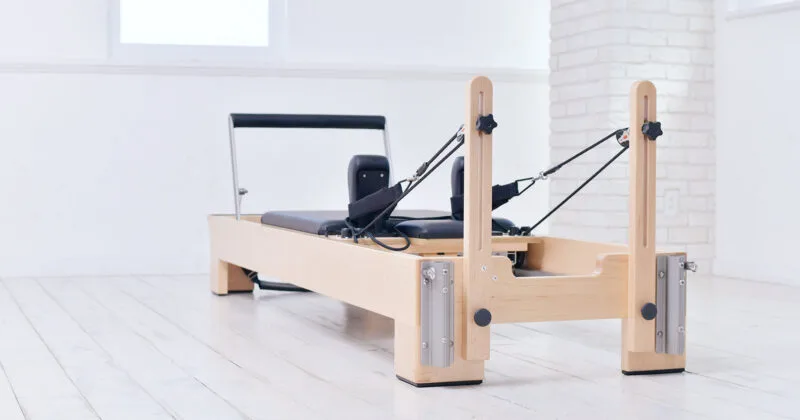
An unhurried meal and a weekly visit to On the Shore Tachikawa
An unhurried meal needs room in the day, including time before or after exercise. On the Shore Tachikawa offers a place to maintain a regular movement habit; plan your visit so that your next meal can have its own time too.
Open every day from 8:00 to 23:30, the lava-stone hot yoga studio is a 1-minute walk from the North Exit of JR Tachikawa Station, at 3F Etoile Bldg, 2-14-10 Akebonocho, Tachikawa, Tokyo. Consider both the journey and your mealtime when choosing a visit.
Many of our yoga instructors speak English, and the studio’s owner often helps guests from the US bases in English herself. Room-temperature maternity yoga is available, while pregnant guests cannot participate in lava-stone hot yoga. Anyone instructed by a doctor to avoid exercise cannot join.
For a first visit, the yoga trial includes a 60-minute lesson, mat rental, 2 bath towels and 1 face towel for ¥1,980 including tax. Compare that lesson time with the time you want to leave for eating, then consult the prices or trial booking page.
Yoga spans more than 25 lesson varieties, with lava-stone hot yoga and room-temperature yoga among the choices. Pilates, personal training, HIIT, boxercise and women-only kickboxercise are also available. The studio website provides the studio information for planning your visit around meals.
References
- A systematic review and meta-analysis examining the effect of eating rate on energy intake and hunger. — E. Robinson et al., 2014, The American journal of clinical nutrition. DOI: 10.3945/ajcn.113.081745
- Increased chewing reduces energy intake, but not postprandial glucose and insulin, in healthy weight and overweight young adults — Montinee Borvornparadorn et al., 2019, Nutrition & Dietetics. DOI: 10.1111/1747-0080.12433
- Eating pace instruction is effective in slowing eating rate in women with overweight and obesity. — K. Melanson et al., 2023, Eating behaviors. DOI: 10.1016/j.eatbeh.2023.101701
- Effects of chewing on appetite, food intake and gut hormones: A systematic review and meta-analysis. — S. Miquel-Kergoat et al., 2015, Physiology & behavior. DOI: 10.1016/j.physbeh.2015.07.017
- Influence of oral processing on appetite and food intake – A systematic review and meta-analysis. — Emma M. Krop et al., 2018, Appetite. DOI: 10.1016/j.appet.2018.01.018
- Increasing the number of chews before swallowing reduces meal size in normal-weight, overweight, and obese adults. — Yong-Fei Zhu et al., 2014, Journal of the Academy of Nutrition and Dietetics. DOI: 10.1016/j.jand.2013.08.020
- Slower eating speed lowers energy intake in normal-weight but not overweight/obese subjects. — Meena Shah et al., 2014, Journal of the Academy of Nutrition and Dietetics. DOI: 10.1016/j.jand.2013.11.002
- Association between eating rate and obesity: a systematic review and meta-analysis — T. Ohkuma et al., 2015, International Journal of Obesity. DOI: 10.1038/ijo.2015.96
- The sustained effect of texture-based eating rate on food intake in an 11-d randomised controlled trial — Marieke van Bruinessen et al., 2026, The British Journal of Nutrition. DOI: 10.1017/s0007114525106193
- Slow Down: Behavioural and Physiological Effects of Reducing Eating Rate — Katherine Hawton et al., 2018, Nutrients. DOI: 10.3390/nu11010050
Cover photo: A set meal with bulgogi as the main dish, photographed together with its accompaniments. (Photo: 毒島みるく / CC0 / Wikimedia Commons)
Information as of October 2026. For your own health, consult a doctor.
More from Diet Science (English)
- Metabolic adaptation and why your weight loss can slow down
- Body composition and weight loss beyond the bathroom scale
- Food logging and weight loss: what matters beyond perfect records
- Protein and weight loss beyond fullness and the bathroom scale
- Dietary fiber and weight loss: what gut research really shows
- Low-carb vs low-fat diets: what long-term weight loss shows
- Time-restricted eating and weight loss: what trials reveal
- Breakfast and weight loss: what eating or skipping really changes
- Sleep deprivation and appetite: why nighttime snacks add up
- Stress and emotional eating beyond the cortisol explanation
- Aerobic vs resistance training for fat loss and lean mass
- HIIT and body fat loss: what shorter workouts can really offer
- Strength training, metabolism and the science of weight regain
- Yoga and weight loss: what body composition research shows
- Hot yoga calories and sweat: what a lighter scale really means
- Pilates and body composition: what posture and fat studies show
- NEAT and weight loss: what everyday movement can really do
- Daily steps and weight loss: what 8,000 steps really tells us
- Keeping weight off: what long-term maintainers do and how they recover
- Daily self-weighing and weight loss: how to use the numbers
- Water before meals and weight loss: what 500 ml trials show
- Sugary drinks and sweeteners: what replacement means for weight
- Alcohol and weight loss through calories, appetite and fat use
- Ultra-processed foods and overeating through the trial evidence
- Menopause weight gain and why your waist can change first
- Postpartum weight loss through diet, exercise and support
- Sarcopenia and protein: protecting muscle as you grow older
- Visceral fat in men and what exercise changes beyond weight
- Supervised exercise and weight loss: building lasting habits
All Diet Science articles (English)
初日の汗は、予約した人だけが持ち帰れる。
2

