


Why longer-term weight studies disagree
Taken together, the routes described above can make weight gain sound inevitable. A 2011 systematic review, however, selected 31 publications and found contradictory results in both large cross-sectional studies and well-powered prospective cohort studies with long follow-up. Short experimental trials also showed no clear trend. Overall, the review could not conclusively confirm a positive association between alcohol consumption and weight gain.[7]
A cross-sectional study measures drinking and weight at a particular point in time. A cohort study follows people to assess later outcomes. With a cross-sectional design, it is difficult to determine whether drinking preceded a weight difference or whether weight and lifestyle changes came first. The 2021 narrative review notes that much of the evidence came from cross-sectional surveys, which cannot establish a cause-and-effect relationship.[1]
A 2021 meta-analysis of 127 observational studies illustrates why separating study designs matters. In adult cohort studies, the association between drinking and obesity had an odds ratio of 0.84, with a 95% confidence interval of 0.52–1.37. It was not statistically significant. For abdominal obesity, the odds ratio was 1.13, with a 95% confidence interval of 0.90–1.41, also without a significant association.[8]
An odds ratio compares the odds of an outcome between groups. Here, both confidence intervals include 1, the value representing no difference. Picking out 0.84 and claiming that drinking prevents obesity would misread the result. Picking out 1.13 and claiming that drinking causes abdominal obesity would do the same. The analysis did not establish a clear association for either of these cohort outcomes.[8]
The cross-sectional findings in the same meta-analysis differed. Alcohol consumption was positively associated with abdominal obesity, with an odds ratio of 1.19 and a 95% confidence interval of 1.09–1.29. In the dose-response analysis, heavy drinking compared with no or light drinking was associated with combined overweight and obesity: odds ratio 1.32, with a 95% confidence interval of 1.16–1.51.[8]
These findings give reason to pay attention to heavier drinking. They do not allow a cross-sectional association to become a statement that alcohol caused the observed difference. The analysis included people whose drinking and body size were measured in everyday life, with the accompanying complexities of that setting. An association describes how the measurements occurred together; it is not automatically the effect of asking a person to change their drinking.[8]
For its dose-response analysis, the review classified consumption as light below 14 g per day, moderate at 14–28 g per day, and heavy above 28 g per day. Those are categories used to organize the research. They are not personal safety limits. Nor should the word “moderate” be assumed to represent an identical amount every time it appears in a different review.[8]
The 2015 review found that light-to-moderate drinking generally was not associated with subsequent increases in adiposity, meaning body fatness. Heavy drinking was more consistently related to weight gain. It also suggested that people who frequently drank moderate amounts might have healthier lifestyles overall. Observational findings can therefore reflect characteristics of people who drink in a particular way as well as the possible contribution of alcohol itself.[5]
The 2011 review likewise identified beverage type, consumption pattern, and a person’s previous tendency to gain weight as factors needing further investigation. People consuming similar amounts can have different eating and activity patterns and different weight histories. Inconsistent results do not show that alcohol lacks energy. They show that longer-term body weight is an outcome in which several influences are difficult to disentangle.[7]
These weight studies do not assess drinking safety during pregnancy or breastfeeding, or interactions with medication.[8] Public guidance on drinking exists; research categories such as 28 g should not replace it. If you are pregnant, breastfeeding, taking medication, living with a medical condition, worried about your drinking, or finding it difficult to control the amount, consult a doctor. Do not use an uncertain association with weight to decide whether drinking is appropriate for your situation.
When comparing apparently conflicting headlines, first check the outcome: immediate food intake, body weight, or abdominal obesity. Then check the design: an experiment changing conditions, or a study observing people’s lives. That sequence allows both the short-term intake findings and the less conclusive longer-term associations to remain in the picture. Neither has to be discarded to make the other seem simpler.[2][8]
初日の汗は、予約した人だけが持ち帰れる。
Examine the drinking occasion as well as the beverage
You may have seen reports that women who drink wine are less likely to gain weight. The 2011 review discussed a possible protective association for light-to-moderate intake, particularly wine, and positive associations for spirits. Yet its overall findings were inconsistent, and it called for further research on beverage types and consumption patterns. Those observations do not establish a drink to choose for weight loss.[7]
The 2010 review also described epidemiological findings suggesting that moderate drinking might appear protective against obesity, especially in women. At the same time, it noted that associations involving higher intake or binge drinking could relate to personality and habitual beverage preferences. The background to choosing a drink cannot simply be separated out and turned into a benefit of the beverage itself.[3]
Before changing the type you buy, describe the shape of the evening. Does drinking start before dinner, accompany the meal, or begin afterward? Is it a meal alone or a gathering? Does the drinking finish when the meal finishes, or does another plate arrive? These are ways to distinguish quantity from pattern, both of which matter in the research. The same beverage can appear in different eating situations.[1][7]
It is also worth checking an assumption such as “I always eat a late dish when I drink” against what you actually ate. The dietary review did not find that alcohol increased every macronutrient uniformly. Keeping track of what disappeared from the meal as well as what was added better reflects that evidence. Starting with an assumed culprit can make other changes harder to see.[16]
A description such as “the usual amount” may leave too little detail to recall the occasion later. Noting the container you drank from and whether you had refills can make the memory more concrete. These are practical suggestions; their weight-loss effects have not been tested. The 2021 narrative review found very little qualitative research on the social, cultural, and environmental links between drinking and eating.[1]
That gap matters because an intake total does not necessarily explain why food and drink came together. A meal with company, an evening alone, and a different place to eat may be distinct settings worth describing. The review identifies a need for more nuanced research into this complex relationship. It does not give a proven formula for rearranging those situations to produce a particular weight outcome.[1]
If you compare a drinking day with a non-drinking day, ask whether the food and the wider setting were similar. A relaxed holiday dinner and a hurried weekday meal may differ in more than alcohol. Assigning the entire difference to the drink repeats a difficulty encountered in observational research: confounding. This is when differences beyond the factor being examined become mixed into the apparent association.[4][5]
The features on weight maintenance and food self-monitoring examine those broader topics. For alcohol, the immediate task is to define what you are observing. Include beverages in the total, describe changes at the table, and distinguish amount from pattern. Leave room for the fact that the composition of the meal may change unevenly, and that a personal observation is not a controlled experiment.[2][7][16]

Common misconceptions
“Low-carbohydrate alcohol does not need to count” overlooks alcohol’s own energy. The review gives 7 kcal per gram and explains that uncompensated alcohol energy can contribute to weight gain. Carbohydrate comparisons assess only part of the drink. They do not establish that choosing a less sweet beverage has removed the energy associated with alcohol.[5]
“I did not feel hungrier, so drinking made no difference” also reaches beyond the evidence. In the experiment with 20 lean women, hunger ratings and test-meal intake did not differ significantly, but the meal did not compensate for the energy-containing drinks. What you feel, what you eat, and the total including beverages deserve separate attention. A familiar appetite does not prove an unchanged intake total.[13]
“Some women who drink are slimmer, so drinking will help me lose weight” converts an observed association into an intervention effect. Some findings show little association between light-to-moderate drinking and weight gain, but differences in overall lifestyle may matter. The cohort findings in the 127-study meta-analysis did not establish significant associations for obesity or abdominal obesity. These results do not provide a weight-loss reason to begin drinking.[5][8]
The opposite claim, “Anyone who drinks will gain weight,” removes the inconsistency from the longer-term evidence. Experiments support paying attention to added intake, while systematic reviews leave uncertainty about the eventual weight outcome. Keeping both findings allows you to compare your own experience with the research without forcing either into an absolute rule.[2][7]
What you can do today
- Choose tonight’s drink with its volume, alcohol concentration, and energy labeling in view, rather than carbohydrate alone. If energy information is absent, still treat it as an energy-containing beverage: alcohol itself supplies 7 kcal per gram.[5]
- Prepare your usual dinner and choose an occasion to skip 1 pre-dinner alcoholic drink, or skip the next refill if that fits your routine better. Do not try to balance the drink by simply removing your staple food. In the experiment with 20 women, the 0.91 MJ alcoholic drink was not compensated for by eating less at the following meal. This amount describes the test drink, not a recommended dose. These suggested changes reduce an added beverage; their weight-loss effects have not been tested.[2][13]
- To examine the combination, record drinks, the meal, and any additional dishes together, including snacks and changes to main dishes rather than only a late bowl of rice. Distinguish dinner eaten while drinking from dinner followed by a drink; include whether drinking was before, during, or after eating and whether you had refills. Use that description to identify a beverage you could reduce; the short-term studies assessed food and drink together, while the dietary review found uneven changes across nutrients.[2][3][16]
- Consult a doctor about drinking if you are pregnant, breastfeeding, taking medication, have a medical condition, worry about your intake, or find the amount difficult to control. Weight associations cannot settle drinking safety in these circumstances.
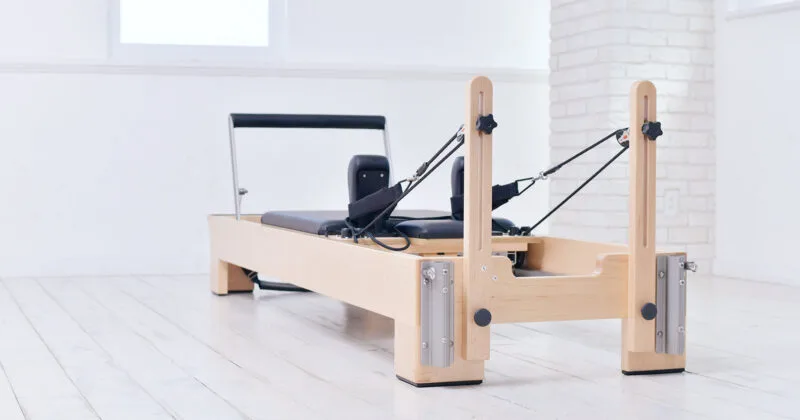
Making room for movement alongside evening drinks at On the Shore Tachikawa
Reviewing evening drinks can be one part of looking at your weekly routine. For the movement habit you want to keep alongside that review, On the Shore Tachikawa provides a place to return to for exercise.
The studio is open from 8:00 to 23:30 every day. Its location is 3F Etoile Bldg, 2-14-10 Akebonocho, Tachikawa, Tokyo, a 1-minute walk from the North Exit of JR Tachikawa Station. These hours and the location can help you fit an activity appointment into your existing week.
For a first visit, the yoga trial includes a 60-minute lesson, mat rental, 2 bath towels and 1 face towel for ¥1,980 including tax. You can check the prices and make a trial booking.
Pregnant guests cannot join lava-stone hot yoga; room-temperature maternity yoga is available. Guests told by a doctor not to exercise cannot join.
The lava-stone hot yoga studio has more than 25 kinds of yoga lessons. Its activity choices also extend to personal training, HIIT, boxercise, women-only kickboxercise, Pilates and room-temperature yoga. The studio website provides the studio information. Many of our yoga instructors speak English, and the studio’s owner often helps guests from the US bases in English herself.
References
- ‘Joining the Dots’: Individual, Sociocultural and Environmental Links between Alcohol Consumption, Dietary Intake and Body Weight—A Narrative Review — M. Fong et al., 2021, Nutrients. DOI: 10.3390/nu13092927
- Effect of alcohol consumption on food energy intake: a systematic review and meta-analysis. — A. Kwok et al., 2019, The British journal of nutrition. DOI: 10.1017/s0007114518003677
- Alcohol, appetite and energy balance: is alcohol intake a risk factor for obesity? — M. Yeomans, 2010, Physiology & behavior. DOI: 10.1016/j.physbeh.2010.01.012
- IS ALCOHOL CONSUMPTION A RISK FACTOR FOR WEIGHT GAIN AND OBESITY? — P. Suter et al., 2005, Critical Reviews in Clinical Laboratory Sciences. DOI: 10.1080/10408360590913542
- Alcohol Consumption and Obesity: An Update — G. Traversy et al., 2015, Current Obesity Reports. DOI: 10.1007/s13679-014-0129-4
- Alcohol consumption and body weight: a systematic review. — C. Sayón-Orea et al., 2011, Nutrition reviews. DOI: 10.1111/j.1753-4887.2011.00403.x
- Association between alcohol intake and overweight and obesity: a systematic review and dose-response meta-analysis of 127 observational studies — M. Golzarand et al., 2021, Critical Reviews in Food Science and Nutrition. DOI: 10.1080/10408398.2021.1925221
- Short-term effects of alcohol consumption on appetite and energy intake. — S. Poppitt et al., 1996, Physiology & behavior. DOI: 10.1016/0031-9384(96)00159-x
- Experimental and observational studies on alcohol use and dietary intake: A systematic review — Jenna R. Cummings et al., 2019, Obesity reviews : an official journal of the International Association for the Study of Obesity. DOI: 10.1111/obr.12950
Cover photo: A glass of beer and pizza on a wooden table, with the glass in focus. (Photo: Nenad Stojkovic / CC BY 2.0 / Wikimedia Commons)
Information as of October 2026. For your own health, consult a doctor.
More from Diet Science (English)
- Metabolic adaptation and why your weight loss can slow down
- Body composition and weight loss beyond the bathroom scale
- Food logging and weight loss: what matters beyond perfect records
- Protein and weight loss beyond fullness and the bathroom scale
- Dietary fiber and weight loss: what gut research really shows
- Low-carb vs low-fat diets: what long-term weight loss shows
- Time-restricted eating and weight loss: what trials reveal
- Breakfast and weight loss: what eating or skipping really changes
- Sleep deprivation and appetite: why nighttime snacks add up
- Stress and emotional eating beyond the cortisol explanation
- Aerobic vs resistance training for fat loss and lean mass
- HIIT and body fat loss: what shorter workouts can really offer
- Strength training, metabolism and the science of weight regain
- Yoga and weight loss: what body composition research shows
- Hot yoga calories and sweat: what a lighter scale really means
- Pilates and body composition: what posture and fat studies show
- NEAT and weight loss: what everyday movement can really do
- Daily steps and weight loss: what 8,000 steps really tells us
- Keeping weight off: what long-term maintainers do and how they recover
- Daily self-weighing and weight loss: how to use the numbers
- Water before meals and weight loss: what 500 ml trials show
- Sugary drinks and sweeteners: what replacement means for weight
- Ultra-processed foods and overeating through the trial evidence
- Eating rate and weight loss: what slower chewing can change
- Menopause weight gain and why your waist can change first
- Postpartum weight loss through diet, exercise and support
- Sarcopenia and protein: protecting muscle as you grow older
- Visceral fat in men and what exercise changes beyond weight
- Supervised exercise and weight loss: building lasting habits
All Diet Science articles (English)
初日の汗は、予約した人だけが持ち帰れる。
2

