After exercise, the appetite findings depend on the trial
Does the menstrual cycle change how hungry you become after exercise? Bornath and colleagues studied 13 young women with regular menstrual cycles who were not using oral contraceptives. Each completed 30 minutes of moderate-intensity running in the follicular, ovulatory and luteal phases. The researchers measured appetite-related hormones and perceived appetite before and after exercise. They also recorded energy intake on the day before, the day of and the day after each session.[1]
There were no significant phase differences in acylated ghrelin, a form of a hormone involved in stimulating appetite, or active glucagon-like peptide-1, a hormone involved in appetite regulation. Perceived appetite and energy intake also did not differ significantly across phases.[1] Some measures changed over time, but those changes did not emerge as distinct responses in different cycle phases. Becoming hungry after exercise and becoming especially hungry only in the luteal phase are different claims.
Kamemoto and colleagues compared exercise responses in 10 healthy, physically active women with an average age of 20.6 years. The women cycled for 60 minutes in the early follicular and mid-luteal phases, then rested before receiving a meal they could eat freely. Exercise was set at 70% of heart rate reserve, corresponding to 70% of maximum oxygen uptake.[2] Maximum oxygen uptake is a measure of the body’s capacity to use oxygen during exercise. These were specified laboratory conditions, rather than a general instruction to match that intensity at home.
Despite larger exercise-related increases in ovarian hormones in the luteal phase, the trial found no between-phase differences in appetite-regulating hormones, subjective appetite or energy intake at the freely eaten meal.[2] Confirming a hormonal change does not confirm a change in dinner. The appetite and intake outcomes must be checked in their own right. This is a useful safeguard whenever an explanation jumps directly from hormones to a claim about how much someone will eat.
A vigorous-exercise trial by Moniz and colleagues found a different pattern. Twelve women completed 30 minutes at 80% of maximum oxygen uptake. Energy intake on the exercise day was higher in the luteal than in the follicular phase, and acylated ghrelin was higher at some measured time points. However, the appetite-suppressing hormones and overall subjective appetite did not differ by phase.[10] Even within a trial showing an intake difference, the other appetite measures did not all move together.
The exercise-day intake difference was reported as a standardized effect size of 1.2, without a corresponding kilocalorie figure.[10] That figure cannot be translated into the size of a serving or an extra snack. The finding concerns intake on the day of vigorous exercise. It does not establish that every such session produces the same excess, or that the observed difference leads to increased body fat over the long term.
The moderate-intensity trials found no phase difference in the relevant appetite and intake outcomes, while the vigorous trial found differences in some outcomes.[1][2][10] Comparing them is informative, but it does not prove that intensity caused the disagreement. Different participants, phase definitions, exercise modes and intake recording periods were involved. These were separate studies, not a single experiment assigning the same women to all the different conditions.
For someone exercising after work, the practical question can stay close to the event. If the session felt harder than usual and the meal afterward differed from what you planned, note the exercise load as well as the cycle phase. Otherwise, an explanation based only on the calendar may overlook the unusual session. The feature’s article on exercise and appetite considers the broader question of eating after activity; here the focus is how far a cycle-specific difference was actually observed.
An appetite hormone, a hunger rating, food consumed that evening and long-term fat change belong to different stages of the question. The trials measured several of the earlier outcomes, and their results sometimes separated.[1][2][10] When making a food decision after exercise, keep that separation in view. A hormonal finding is not a meal plan, and a day’s intake finding is not a prediction of the next month’s body composition.
初日の汗は、予約した人だけが持ち帰れる。
Today’s symptoms matter more than a fixed phase calendar
McNulty and colleagues’ systematic review and meta-analysis gathered evidence on menstrual cycle phase and exercise performance in women with regular menstrual cycles. The review included 78 studies; 51 contributed data for the initial pooled comparison. Combining endurance and strength outcomes suggested that performance might be slightly lower in the early follicular phase than in the other phases. The pooled effect size was −0.06, a trivial difference.[9]
An effect size standardizes a difference so that studies using different measurements can be compared. It is not a number of kilograms, or a percentage reduction in running distance. The 95% credible interval extended from −0.16 to 0.04, crossing from negative to positive values.[9] Both the small estimate and that interval belong in the interpretation. A bold claim that performance drops during menstruation would make the evidence sound more definite than the analysis supports.
There was substantial variation among studies, and many were of poor quality. The authors concluded that general exercise performance guidelines across the cycle could not be formed. They recommended a personalized approach based on each individual’s response.[9] That does not tell a person with difficult symptoms that she should feel fine because the average difference is small. It also does not tell someone feeling well that she must rest because a calendar places her in a particular phase.
Natalucci and colleagues’ narrative review of female athletes and physically active women similarly describes performance effects as generally small and inconsistent. For day-to-day tolerance of training, it highlights symptom burden: pain, fatigue, disrupted sleep, gastrointestinal discomfort and fluid retention.[5] Knowing the phase can provide context, but it cannot substitute for asking how you feel today. A calendar entry does not measure the symptoms that determine whether the planned activity is manageable.
In practice, someone might keep a regular exercise appointment when feeling well and reconsider it when pain or fatigue is strong. These studies did not establish a universal reduction in intensity or a set number of minutes to remove from a session.[5][9] If you rest, the next session can begin with a fresh assessment of your condition rather than a demand to repay the missed exercise. This is an everyday application of individualized planning, not a tested formula for adjusting training.
The participants also limit the reach of the findings. Many individual studies here involved young, healthy or physically active women.[1][2][11][20] If your circumstances differ, assigning their average response to your body becomes less certain. The evidence can inform the question you ask without answering it completely for you. Long-term changes associated with menopause belong to the feature’s separate menopause article; studies comparing phases within a menstrual cycle cannot by themselves explain those changes.
Oral contraceptive use needs its own framework. D’Souza and colleagues’ review describes active-pill and placebo or pill-free phases, which differ from the divisions of a natural menstrual cycle. The available evidence did not provide compelling support for major effects of oral contraceptive use on exercise performance, substrate oxidation or muscle hypertrophy.[14] Substrate oxidation refers to using fuels for energy; hypertrophy refers to muscle growth. These outcomes should not be collapsed into a general claim about weight loss.
The review also emphasizes that evidence in some areas remains limited.[14] Its findings are not advice to start, stop or change medication for the sake of an exercise schedule. Individual questions about contraception or changes in its use belong with a doctor. For planning activity, the useful lesson is that a natural-cycle chart cannot simply be overlaid on every person’s hormonal circumstances.
A personalized approach need not mean constructing a complicated new system. It can mean retaining the exercise routine you can attend, checking your condition before starting, and treating unexpected discomfort as information. The research supports paying attention to individual responses; it does not establish that more elaborate cycle scheduling inevitably produces better fat loss.[5][9][14] An ordinary appointment adjusted to today’s symptoms can be more faithful to these findings than a rigid calendar built from averages.
Common misconceptions
“Any weight gained around a period is fat.” The observational study with closely matched water and weight increases, and the repeated-measures study without significant differences in estimated fat percentage or fat-free mass, do not support that interpretation.[6][11] The opposite claim, that every bit of an individual’s gain is water, is also too certain. Group averages cannot diagnose the composition of your own weight change. You need neither erase your food records nor sharply restrict eating as a punishment for the scale rising.
“The luteal phase raises metabolism, so everyone can eat more.” The nutrition review discusses variation in intake and expenditure, but individual studies found no significant resting metabolic rate difference.[11][16][20] A tendency is not a daily target. In particular, the 104 ± 218 kcal/day finding was not statistically significant and was not a personal allowance.[20] A broad review and an individual trial’s measurements serve different roles. They can both be considered without denying someone’s experience of changing appetite or declaring that everyone shares it.
“Matching exercise to the cycle guarantees more efficient weight loss.” The average performance difference was trivial, and postexercise appetite findings varied among trials.[1][9][10] Performance during activity, appetite hormones, same-day intake and long-term fat loss are separate outcomes. A difference in an earlier outcome does not promise an improvement in a later one. Cycle information may help you plan, but these results do not make the cycle alone a reliable judge of whether your weight-management efforts will work.
What you can do today
- For 1 cycle, weigh yourself on 2 mornings each week and note when menstruation occurs. Twice-weekly measurement was the frequency in the weight and water study; use it as a reference for comparisons at home.[6]
- On days when hunger concerns you, write 1 line about hunger before dinner and a separate line about what you ate afterward. On exercise days, add the activity and how hard it felt to the same entry.
- If you already run and feel able to do so, consider a 30-minute moderate-intensity run. The trial of 13 young women compared this session across follicular, ovulatory and luteal phases and found no phase differences in postexercise appetite. Do not increase the load solely because of the phase; reconsider the plan according to pain or fatigue before starting.[1]
- Before changing portions solely because of the cycle, try keeping meal conditions similar for 2 days. Smith’s participants had 2 days of energy- and macronutrient-balanced meals before each visit.[20] Base this comparison on your usual meals, without assigning extra food to the luteal phase. The aim is to compare hunger under similar eating conditions, rather than recreate the laboratory diet.
- Check pain, fatigue and gastrointestinal discomfort before exercising. When symptoms make activity difficult, reconsider the session, including resting. If symptoms interfere with daily life or exercise, consult a doctor.[5][9] If periods become irregular, stop, or are unusually heavy or painful, consult a doctor before adjusting your diet or training.

Making room for cycle symptoms at On the Shore Tachikawa
Before choosing a session at On the Shore Tachikawa, consider today’s menstrual symptoms as well as the activity you want to try and the time you can attend.
The studio opens every day from 8:00 to 23:30. A 1-minute walk from the North Exit of JR Tachikawa Station, it is at 3F Etoile Bldg, 2-14-10 Akebonocho, Tachikawa, Tokyo. On the Shore Tachikawa (オンザショア立川店) is a lava-stone hot yoga studio.
Pregnant guests cannot take part in lava-stone hot yoga, although the studio offers room-temperature maternity yoga. Anyone instructed by a doctor to avoid exercise cannot participate.
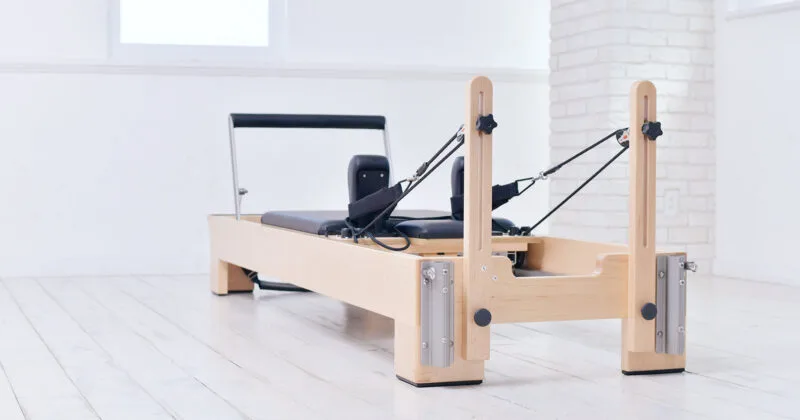
Many of our yoga instructors speak English, and the studio’s owner often helps guests from the US bases in English herself. To explore a session that fits your plans that day, compare the studio’s lava-stone hot yoga and room-temperature yoga options with Pilates, women-only kickboxercise, boxercise, HIIT and personal training. The yoga menu alone includes over 25 lesson types. A trial yoga lesson costs ¥1,980 including tax and includes a 60-minute lesson, rental of 2 bath towels, 1 face towel and a mat.
Read the studio information and prices, then use the trial booking page to select a visit.
References
- No Effect of Menstrual Phase on Appetite-Regulatory Parameters Following a Moderate-Intensity Exercise Session. — Derek P. D. Bornath et al., 2025, Medicine and science in sports and exercise. DOI: 10.1249/mss.0000000000003839
- Effects of menstrual cycle on appetite-regulating hormones and energy intake in response to cycling exercise in physically active women. — Kayoko Kamemoto et al., 2021, Journal of applied physiology. DOI: 10.1152/japplphysiol.01117.2020
- Menstrual Cycle and Hormonal Contraceptives in Female Athletes: Should Symptoms and Nutrition Matter More than Cycle Phase? A Narrative Review — Valentina Natalucci et al., 2026, Nutrients. DOI: 10.3390/nu18071144
- Changes in body weight and body composition during the menstrual cycle — Spyridon Kanellakis et al., 2023, American Journal of Human Biology. DOI: 10.1002/ajhb.23951
- The Effects of Menstrual Cycle Phase on Exercise Performance in Eumenorrheic Women: A Systematic Review and Meta-Analysis — K. McNulty et al., 2020, Sports Medicine (Auckland, N.z.). DOI: 10.1007/s40279-020-01319-3
- The exercise-induced suppression of acylated ghrelin is blunted in the luteal phase of the menstrual cycle compared to the follicular phase following vigorous-intensity exercise. — Sara C. Moniz et al., 2022, Appetite. DOI: 10.1016/j.appet.2022.106425
- Menstrual Cycle Phase Is Associated With Changes in Body Weight, Bioimpedance, and Carbohydrate Intake, but Not in Resting Metabolic Rate in Physically Active Females. — Michaela Wagner et al., 2026, International journal of sport nutrition and exercise metabolism. DOI: 10.1123/ijsnem.2026-0015
- Menstrual cycle hormones and oral contraceptives: a multimethod systems physiology-based review of their impact on key aspects of female physiology — Alysha C D’Souza et al., 2023, Journal of Applied Physiology. DOI: 10.1152/japplphysiol.00346.2023
- An Overview of the Impact of the Menstrual Cycle on Nutrient Metabolism: An Integrative Perspective — C. García-Montero et al., 2026, Nutrients. DOI: 10.3390/nu18071063
- Nutritional Intake and Anthropometric Changes during the Menstrual Cycle in Women of Childbearing Age — Ahsen Işıl Karabacak, 2024, BAU Health and Innovation. DOI: 10.14744/bauh.2024.92486
- Energy intake and appetite in laboratory and free-living conditions may be consistent across menstrual cycle phases. — Miranda Smith et al., 2025, Appetite. DOI: 10.1016/j.appet.2025.108314
Cover photo: An overhead view of a woman stretching on a yoga mat. (Photo: Shixart1985 / CC BY 2.0 / Wikimedia Commons)
Information as of October 2026. For your own health, consult a doctor.
初日の汗は、予約した人だけが持ち帰れる。
2