


What happened when researchers simplified the record
Tracking calories for everything eaten is not the only approach tested. A 2022 pilot randomized trial compared standard calorie recording with a simpler method focused on high-calorie foods. The 72 participants were adults with overweight or obesity who lived with children aged 2–12. They received mobile weight-loss support for 6 months. The study population was adults sharing a home with children, rather than children taking part in a weight-loss intervention.[9]
Both groups received more than a recording method. Support included a scale, activity trackers, app-based lessons, text messages and weekly personalized feedback. Weight loss at 6 months averaged 5.7% in the standard group and 4.0% in the simplified group; the difference was not statistically significant. The 95% confidence intervals for percentage weight change were −8.3% to −3.2% for standard recording and −5.7% to −2.3% for simplified recording.[9]
The intervals describe uncertainty around the average weight change with each recording method. Although the standard group’s average reduction was larger, this trial did not establish a statistically significant difference between the methods. Absence of a significant difference is also distinct from proof that the approaches are equally effective. The comparison comes from a small pilot trial.[9]
The proportions losing at least 5% of starting weight were 43.2% in the standard group and 42.9% in the simplified group. There were no between-group differences in the number of days of dietary tracking or the change in average daily calorie intake. Simplification therefore offers a possible alternative in what gets recorded, but this trial did not demonstrate that it increased the number of days people kept records. The intervention results make it promising, while leaving the limits of the comparison intact.[9]
For daily use, decide what a reduced record is intended to show. If you want to review snacks or drinks, make that focus explicit rather than leaving it to whatever you happen to remember. This is an example of applying a narrower focus; the trial’s tested approach was recording high-calorie foods within a support program. Its findings do not establish that any personally chosen abbreviated diary will produce the same result.[9]
Reducing the recording task also reduces the information available. A drink-only record cannot show the amount eaten at dinner. The practical choice involves both the burden of input and the question you need the record to answer. Instead of asking only whether you can record everything, ask what information would let you examine the difficulty you are currently facing. If you narrow the focus, leave room to review the overall diet as well. A simpler entry is useful only within the limits of what it contains.
初日の汗は、予約した人だけが持ち帰れる。
Choose apps and photos with their results in view
Photographs may appear to make food recording easier. A 6-month randomized trial compared photo logging with calorie entry in 41 adults with overweight or obesity. Both groups received behavioral weight-loss podcasts. Average weight change was −2.5 ± 0.9 kg in the photo group and −2.4 ± 0.9 kg in the calorie-entry group, with no significant difference between groups.[13]
There was also no between-group difference in days recorded. Overall, recording took place on fewer than 30% of days. Recording frequency was significantly associated with weight loss when all participants were analyzed together and within the calorie-entry group, but not within the photo group. Both groups lost significant amounts of weight over the study period, although the researchers characterized the weight loss as minimal.[13]
A significant association in one group and a nonsignificant association in another does not, on its own, establish that the methods differ. The direct comparison of weight change found no significant difference. This was a small trial with low recording rates in both groups. Keeping a meal photograph on a phone and using it sufficiently within weight-loss support are separate matters. If you choose pictures, consider what you plan to review afterward, rather than assuming that taking the image completes the task.[13]
A trial of 210 adults addressed the comparison between paper and digital records. Participants were randomly assigned to a paper diary, a personal digital assistant with recording software, or the same device with daily feedback. A personal digital assistant was a handheld electronic device used before current smartphones. All participants received standard behavioral treatment. Median recording adherence over 6 months was 55% with paper, 80% with the device and 90% with the device plus feedback.[19]
The median is the middle value when observations are placed in order. Although adherence was higher in the digital groups, overall weight loss did not differ significantly between groups. A different outcome did show a significant contrast: 63% of the device-plus-feedback group lost at least 5% of their starting weight, compared with 46% of the paper group. Average weight change and the proportion reaching a specified threshold measure different results. Here, the feedback group had a higher proportion reaching the threshold without a significant difference in overall weight loss.[19]
The digital groups also reduced energy intake and saturated fat intake more than the paper group, and their reductions in waist circumference were greater. Retention was 91%, meaning that proportion of participants remained available for follow-up. Researchers assessed dietary and physical changes as well as recording adherence at 6 months. The evidence concerns that full set of outcomes, with behavioral support supplied to everyone.[19]
The broader digital review found higher recording rates with digital tools in 21 of 34 comparisons with paper. Even so, few interventions sustained digital recording on at least 75% of days. Convenience can improve some aspects of adherence while leaving a substantial problem of declining use. The device comparison is helpful when choosing a tool, but it should not become a promise that a newer interface will maintain the habit for you.[20]

Gaps and maintenance belong in the same conversation
Food logging has also been studied after initial weight loss. An analysis of 220 women with obesity, whose average age was 59.3 years, followed a 12-month extended-care period after 6 months of behavioral weight-loss treatment. The association between a larger total volume of records and less regain depended on consistency across the weeks. Higher frequency was beneficial only when accompanied by high consistency, described as recording on more than 3 days per week.[17]
Comprehensiveness of the records had no significant relationship with weight change. The favorable association involving frequency and consistency was partly explained by success in meeting daily calorie-intake goals. Participants had lost an average of 10.39% during the first 6 months and regained an average of 2.30% during the following 12 months. These findings direct attention toward repeated recording within everyday life, alongside the eating goals being met, rather than the detail of a large collection of entries alone.[17]
Another study followed 74 adults with overweight or obesity for 9 months after a 3-month weight-loss program. Recording on at least 3 days per week was associated with less regain, and the largest benefits were observed at thresholds of at least 5–6 days per week. The researchers called for future trials assigning people randomly to different recording frequencies. These observations do not establish that 3 days is a sufficient prescription for every person.[6]
Maintenance therefore need not mean choosing between detailed daily input forever and abandoning records entirely. If you reduce frequency, consider whether you still have opportunities to check your eating. A lighter record and continued attention to food can coexist. The optimal schedule remains uncertain, but there is evidence supporting consideration of ongoing recording after weight loss.[6][17] If a gap occurs, the practical issue is how to return at the next meal and what to review then, rather than how to recreate a perfect uninterrupted history.
Common misconceptions
“Unless every item is entered accurately, recording is pointless” sets a stricter condition than the research establishes. Completeness was not significantly associated with weight change in the short-term app study.[2] Comprehensiveness was also not significantly related to change in the maintenance analysis, and the simplified-recording trial found no significant weight-loss difference from standard calorie tracking.[9][17] These findings distinguish detail from repeated use; they do not imply that information quality can never matter.
“People who logged more lost more, so logging alone causes weight loss” goes beyond the evidence. Many programs also supplied dietary or activity goals, educational material and feedback.[9] Comparisons between frequent and infrequent recorders are not necessarily randomized comparisons of frequency. The systematic reviews identify methodological limits, so outcomes from the whole support program should remain distinct from claims about recording in isolation.[1][7]
“An app or camera solves the problem of keeping going” overlooks the adherence results. Recording days were low with both photographs and calorie entry, and weight change did not differ significantly between those groups.[13] Digital methods often recorded better adherence than paper, but few interventions maintained high rates.[20] A different input screen can change the task; it does not remove the busy evening in which that task must happen.
What you can do today
- Plan food records on at least 3 days each week, capturing lunch and dinner as two eating occasions on those days. Food logging on at least 3 days per week was associated with clinically significant weight loss in the program analysis.[11] Days with at least two eating occasions recorded best explained weight-loss variation in the secondary analysis.[5] These are observed associations, and lunch and dinner are a practical choice of occasions.
- At the next similar meal, use the record to choose one item whose serving was larger than intended, and reduce that serving rather than changing the whole meal at once. The digital-recording trial found a greater reduction in energy intake than with paper.[19] Choosing one item and the amount to reduce are practical decisions; the trial did not prescribe that portion adjustment.
- If highly active exercise is already comfortable and familiar, plan around a weekly total of 60 minutes. At least 60 highly active minutes per week was associated with weight loss in the retrospective program analysis.[11] This is an observed reference point, not a reason for a beginner to increase intensity abruptly. If you are receiving treatment or have concerns about exercise, consult a doctor before starting.
- After weight loss, schedule food records on at least 3 days per week, or 5–6 days if sustainable. Those frequencies were associated with less regain in maintenance research, rather than established through randomized frequency assignments.[6] After a gap, return with the next meal and review that day’s intake as well as completing the entry.
Give records and movement a weekly place at On the Shore Tachikawa
Keeping a food diary and making time for movement are separate habits. To give the movement habit a regular place alongside your records, check which lesson times at On the Shore Tachikawa fit your week. The lava-stone hot yoga studio is open every day 8:00–23:30. It is a 1-minute walk from the North Exit of JR Tachikawa Station, at 3F Etoile Bldg, 2-14-10 Akebonocho, Tachikawa, Tokyo.
Check participation conditions as you choose a time. Pregnant guests cannot join lava-stone hot yoga; room-temperature maternity yoga is available. Guests told by a doctor not to exercise cannot join. Many of our yoga instructors speak English, and the studio’s owner often helps guests from the US bases in English herself.
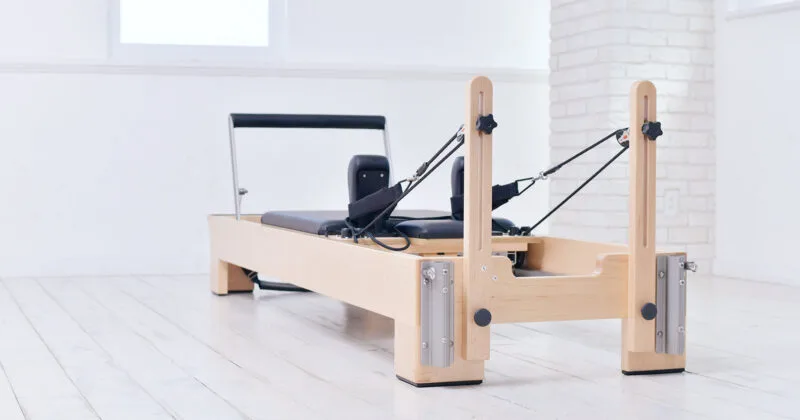
For a trial yoga lesson, the price is ¥1,980 including tax for 60 minutes; rental includes a mat, 1 face towel and 2 bath towels. The yoga range includes more than 25 kinds of lessons, with both lava-stone hot yoga and room-temperature yoga. The studio also has personal training, HIIT, boxercise, women-only kickboxercise and Pilates. Check the studio information for these options, then the prices and trial booking when placing a lesson in your week.
References
- A systematic review of the use of dietary self-monitoring in behavioral weight-loss interventions: delivery, intensity and effectiveness — M. Raber et al., 2021, Public health nutrition. DOI: 10.1017/s136898002100358x
- Adherence to mobile‐app‐based dietary self‐monitoring—Impact on weight loss in adults — Jason E. Payne et al., 2021, Obesity Science & Practice. DOI: 10.1002/osp4.566
- Log Often, Lose More: Electronic Dietary Self-Monitoring for Weight Loss — J. Harvey et al., 2019, Obesity (Silver Spring, Md.). DOI: 10.1002/oby.22382
- Defining Adherence to Mobile Dietary Self-Monitoring and Assessing Tracking Over Time: Tracking at Least Two Eating Occasions per Day Is Best Marker of Adherence within Two Different Mobile Health Randomized Weight Loss Interventions — Gabrielle M. Turner-McGrievy et al., 2019, Journal of the Academy of Nutrition and Dietetics. DOI: 10.1016/j.jand.2019.03.012
- Identification of Minimum Thresholds for Dietary Self-Monitoring to Promote Weight Loss-Maintenance — Kelsey M. Arroyo et al., 2024, Obesity (Silver Spring, Md.). DOI: 10.1002/oby.23994
- Self-Monitoring in Weight Loss: A Systematic Review of the Literature — Lora E. Burke et al., 2011, Journal of the American Dietetic Association. DOI: 10.1016/j.jada.2010.10.008
- A pilot randomized trial of simplified versus standard calorie dietary self-monitoring in a mobile weight loss intervention — Brooke T. Nezami et al., 2022, Obesity (Silver Spring, Md.). DOI: 10.1002/oby.23377
- What Matters in Weight Loss? An In-Depth Analysis of Self-Monitoring — S. Painter et al., 2017, Journal of Medical Internet Research. DOI: 10.2196/jmir.7457
- Dietary Self-Monitoring Through Calorie Tracking but Not Through a Digital Photography App Is Associated with Significant Weight Loss: The 2SMART Pilot Study-A 6-Month Randomized Trial. — C. Dunn et al., 2019, Journal of the Academy of Nutrition and Dietetics. DOI: 10.1016/j.jand.2019.03.013
- Dietary Self-Monitoring and Long-Term Success with Weight Management — Ninoska D. Peterson et al., 2014, Obesity (Silver Spring, Md.). DOI: 10.1002/oby.20807
- The Effect of Electronic Self-Monitoring on Weight Loss and Dietary Intake: A Randomized Behavioral Weight Loss Trial — L. Burke et al., 2010, Obesity (Silver Spring, Md.). DOI: 10.1038/oby.2010.208
- Self-Monitoring via Digital Health in Weight Loss Interventions: A Systematic Review Among Adults with Overweight or Obesity — M. L. Patel et al., 2021, Obesity (Silver Spring, Md.). DOI: 10.1002/oby.23088
Cover photo: An open notebook, several pens and a pair of glasses sit on a desk. (Photo: Shixart1985 / CC BY 2.0 / Wikimedia Commons)
Information as of October 2026. For your own health, consult a doctor.
More from Diet Science (English)
- Metabolic adaptation and why your weight loss can slow down
- Body composition and weight loss beyond the bathroom scale
- Protein and weight loss beyond fullness and the bathroom scale
- Dietary fiber and weight loss: what gut research really shows
- Low-carb vs low-fat diets: what long-term weight loss shows
- Time-restricted eating and weight loss: what trials reveal
- Breakfast and weight loss: what eating or skipping really changes
- Sleep deprivation and appetite: why nighttime snacks add up
- Stress and emotional eating beyond the cortisol explanation
- Aerobic vs resistance training for fat loss and lean mass
- HIIT and body fat loss: what shorter workouts can really offer
- Strength training, metabolism and the science of weight regain
- Yoga and weight loss: what body composition research shows
- Hot yoga calories and sweat: what a lighter scale really means
- Pilates and body composition: what posture and fat studies show
- NEAT and weight loss: what everyday movement can really do
- Daily steps and weight loss: what 8,000 steps really tells us
- Keeping weight off: what long-term maintainers do and how they recover
- Daily self-weighing and weight loss: how to use the numbers
- Water before meals and weight loss: what 500 ml trials show
- Sugary drinks and sweeteners: what replacement means for weight
- Alcohol and weight loss through calories, appetite and fat use
- Ultra-processed foods and overeating through the trial evidence
- Eating rate and weight loss: what slower chewing can change
- Menopause weight gain and why your waist can change first
- Postpartum weight loss through diet, exercise and support
- Sarcopenia and protein: protecting muscle as you grow older
- Visceral fat in men and what exercise changes beyond weight
- Supervised exercise and weight loss: building lasting habits
All Diet Science articles (English)
初日の汗は、予約した人だけが持ち帰れる。
2

